
1h ago · 4 min de lectura
The new DGJA replaces the former DCJA and gains authority over land-based and online gambling, with all operators serving the Dominican market required to obtain appropriate authorisation.
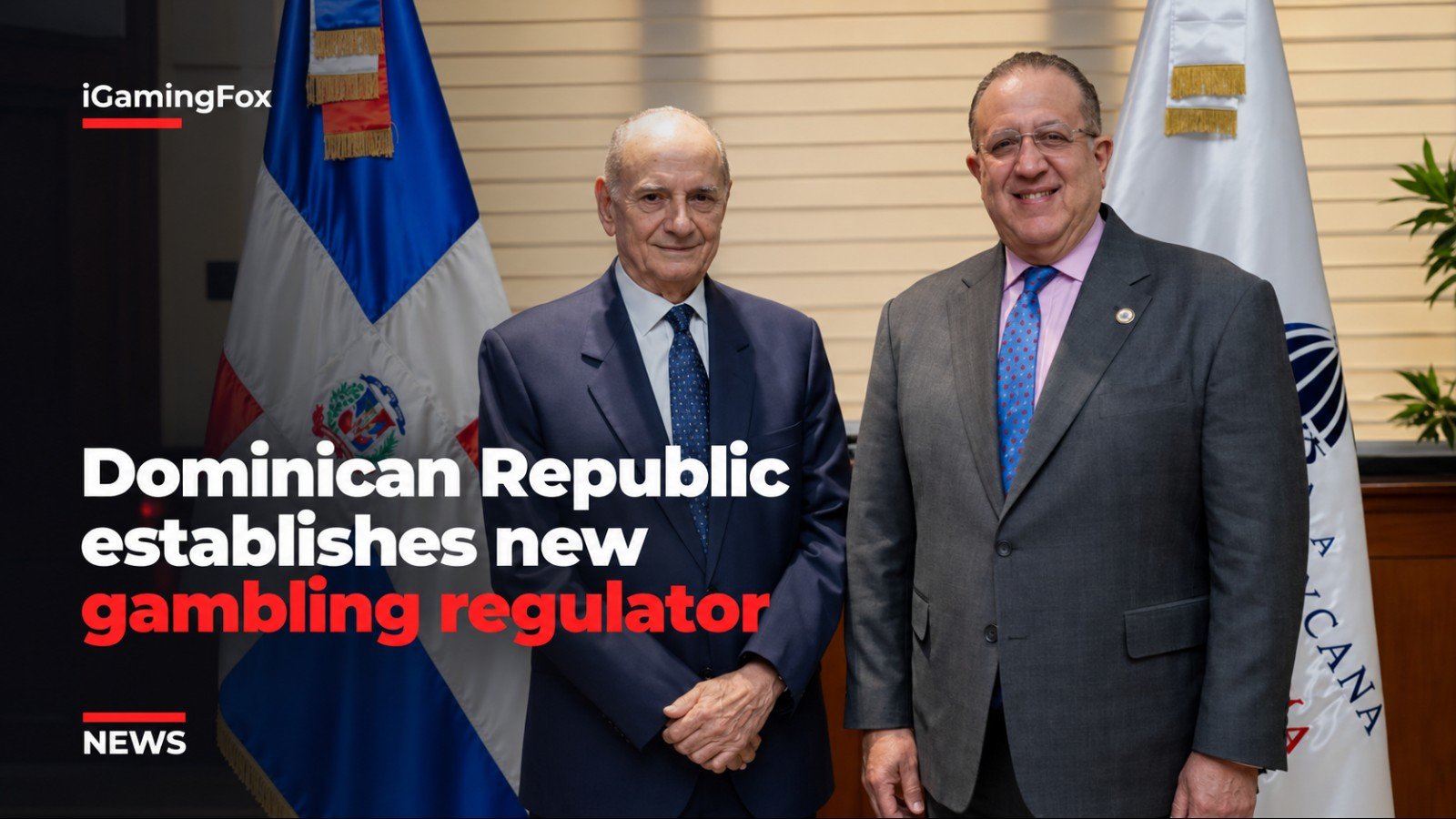
The Dominican Republic has established a new gambling regulator with authority over both land-based and online gaming under Law 86-26, published in the Official Gazette on October 2.
The legislation creates the Dirección General de Juegos de Azar, or DGJA, as an autonomous and decentralised state body attached to the Ministry of Finance and Economy.
The DGJA replaces the former Dirección de Casinos y Juegos de Azar, consolidating supervision of casinos, betting shops, lotteries and digital gambling platforms under a single regulatory framework.
Law 86-26 represents the country's first comprehensive gambling legislation covering traditional and digital products within the same legal structure.
Online Gambling Explicitly Falls Under DGJA Supervision
The legislation expressly covers gambling and betting offered through websites, mobile devices, digital platforms and other electronic channels.
Online gambling may only be operated by legal entities holding the relevant operating licence.
That gives the DGJA direct responsibility for authorising and supervising online operators targeting the Dominican market rather than treating internet gambling primarily through administrative resolutions under the previous regime.
The regulator's powers include licensing, maintaining operator registers, conducting inspections, requesting financial and operational information and taking action against unauthorised gambling.
It will also have responsibilities related to anti-money laundering controls and wider compliance supervision.
Law Introduces Player Protection Requirements
Law 86-26 introduces explicit requirements around responsible gambling and the protection of minors.
Operators must verify that customers meet the legal age requirement and comply with restrictions designed to prevent gambling products and advertising from targeting people under 18.
The broader framework also addresses responsible gambling, fraud prevention, customer protection and measures intended to identify problematic gambling behaviour.
Advertising and promotional activity will therefore form part of the regulatory responsibilities of the new authority alongside licensing and taxation.
For online operators, compliance will extend beyond holding a licence to ongoing supervision of their systems, customers and commercial practices.
Existing Operators Enter Transition Period
Businesses already operating legally in the Dominican Republic are being moved into the new framework through transitional provisions.
Existing operators have 12 months to register in the country's unified gambling registry, while businesses holding permissions under the previous system must adapt to the new licensing structure.
The government is also required to issue implementing regulations that will determine further practical details of the new regime.
During the institutional transition, previously submitted applications and regulatory files will be transferred into the new structure rather than automatically cancelled.
The change therefore replaces the previous regulator without removing existing operators from supervision while the DGJA becomes fully operational.
Quico Tabar Named Interim DGJA Director
President Luis Abinader appointed Teófilo José Abrahán Leo "Quico" Tabar Manzur as interim head of the DGJA through Decree 684-26.
Tabar was formally sworn into the role by Finance and Economy Minister Magín Díaz on October 5.
He previously coordinated the country's gambling regularisation process and continues to serve as administrator of the National Lottery.
His previous work included efforts to formalise betting and lottery outlets, giving him experience with one of the central challenges facing the new regulator.
The DGJA now inherits a substantially broader mandate.
Instead of supervising a market dominated by physical casinos and betting outlets, the authority will oversee a framework in which internet gambling is explicitly recognised, licensed and monitored alongside traditional products.
For iGaming companies serving Dominican players, the practical consequence is that local licensing and ongoing DGJA compliance become central requirements under the country's new regulatory model.




Comentarios (0)
Aún no hay comentarios. ¡Sé el primero!