
2h ago · 4 min de lecture
Brazil Gives Banks 24 Hours to Freeze Illegal Betting Accounts
Brazil's Finance Ministry now requires banks to freeze accounts of operators deemed illegal by regulator SPA within 24 hours, with confirmation due within 48 hours.
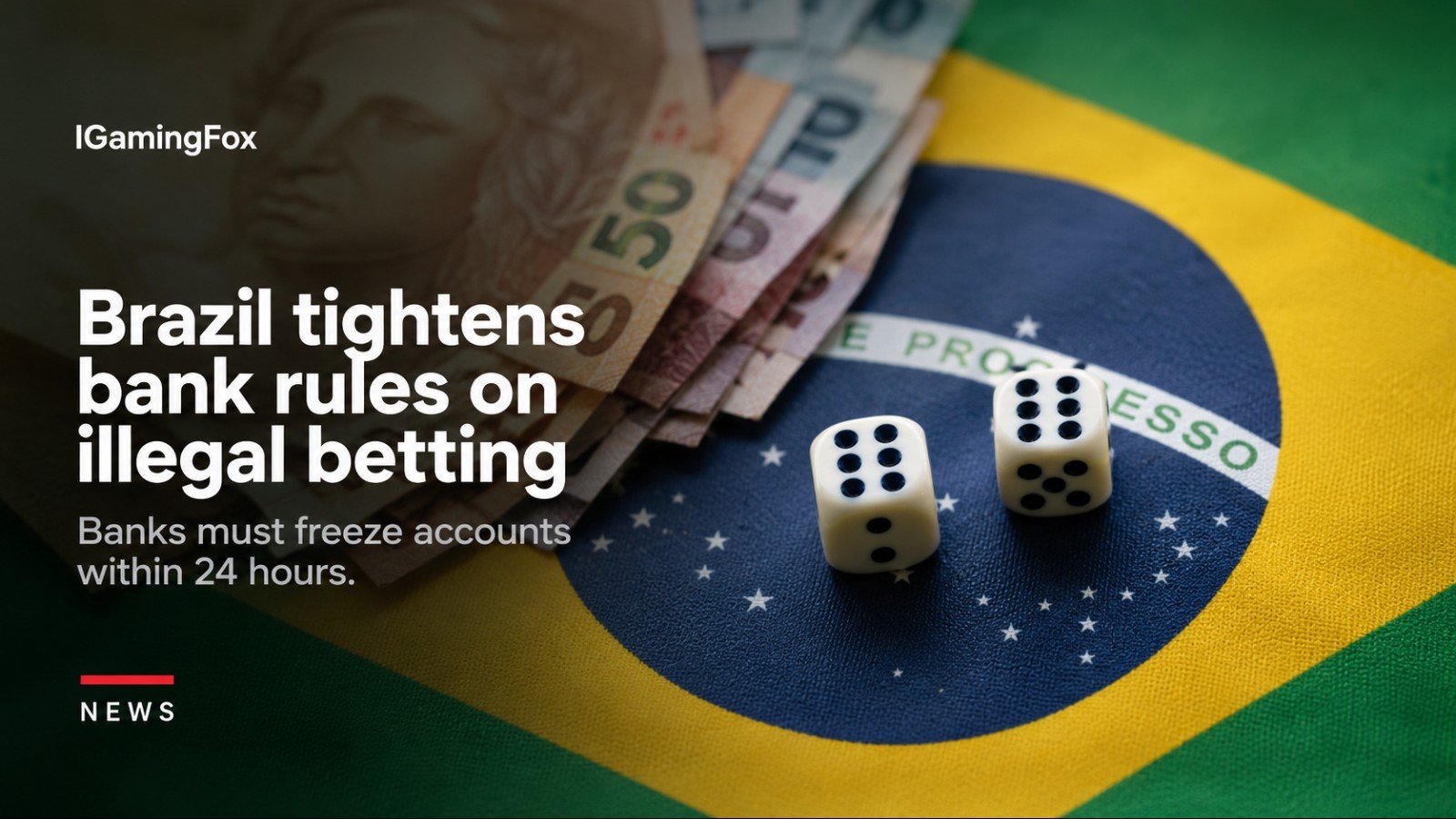
Brazil's Ministry of Finance published new rules requiring banks and payment institutions to combat illegal betting operations, according to a report by iGaming Times. Under the rules, once regulator SPA declares an operator illegal, financial institutions must freeze the operator's accounts and halt new transactions within 24 hours, confirm the freeze within 48 hours, and forward relevant information to the regulator for further processing of the frozen funds.
Banks are now also required to monitor suspicious transaction patterns, including mass deposits, frequent small payments, and mentions of betting or bonuses in Pix payment descriptions. The rules additionally establish joint tax liability: financial institutions that continue processing transactions for an illegal operator can be held responsible for the operator's unpaid taxes. Technical implementation requirements have not yet been published; once issued, banks will have 30 days to adapt their systems accordingly.
The new framework significantly expands the compliance obligations placed on Brazil's banking sector in the fight against illegal betting, shifting some enforcement responsibility onto financial institutions themselves rather than relying solely on regulatory action against operators directly. The joint tax liability provision in particular creates a strong financial incentive for banks to promptly comply with freezing orders once an operator is flagged as illegal.
iGaming Fox
Réglementation · 1d ago
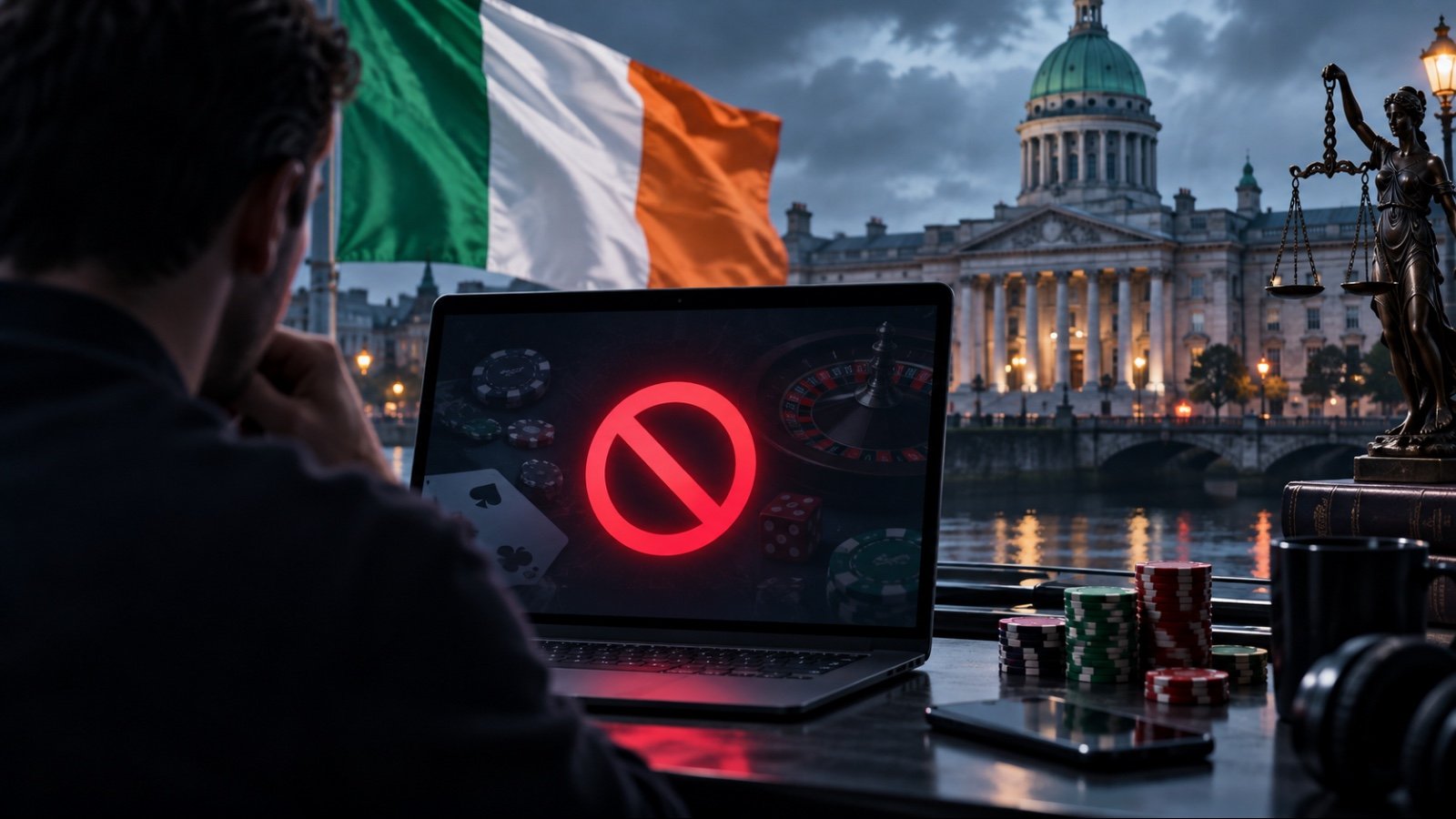
L'opérateur de casino crypto et de paris sportifs Stake a bloqué l'accès à sa plateforme aux clients en Irlande après des échanges avec le nouveau régulateur des jeux d'argent du pays.
iGaming Fox
Fournisseurs · 1d ago
Mancala Gaming affirme que sa récente sortie Panther Legacy est devenue l'un des nouveaux titres les plus performants de son portefeuille, avec un volume de mises environ deux fois supérieur à la moyenne et un ARPU moyen trois fois plus élevé en Afrique et sur les marchés de la CEI au cours des huit premières semaines suivant son lancement.


Marco Silva
Opérateurs · 1d ago
Le marché des casinos crypto a enregistré de fortes variations des volumes hebdomadaires de dépôts entre le 7 et le 14 septembre 2026. Gamdom, Roobet et BC.Game figurent parmi les plus fortes progressions en valeur, tandis que le leader du marché Stake a vu ses dépôts diminuer de près de 100 millions de dollars.

Le studio WIRED FEELINGS a lancé KEEP GAMBLING sur Steam, un jeu centré sur des produits de gambling simulés.

Commentaires (0)
Aucun commentaire pour l'instant. Soyez le premier !