
Aug 25, 2026 · 4 min de leitura
Brazil to Launch Betting Monitoring Center by End of 2026
Sarah Connor
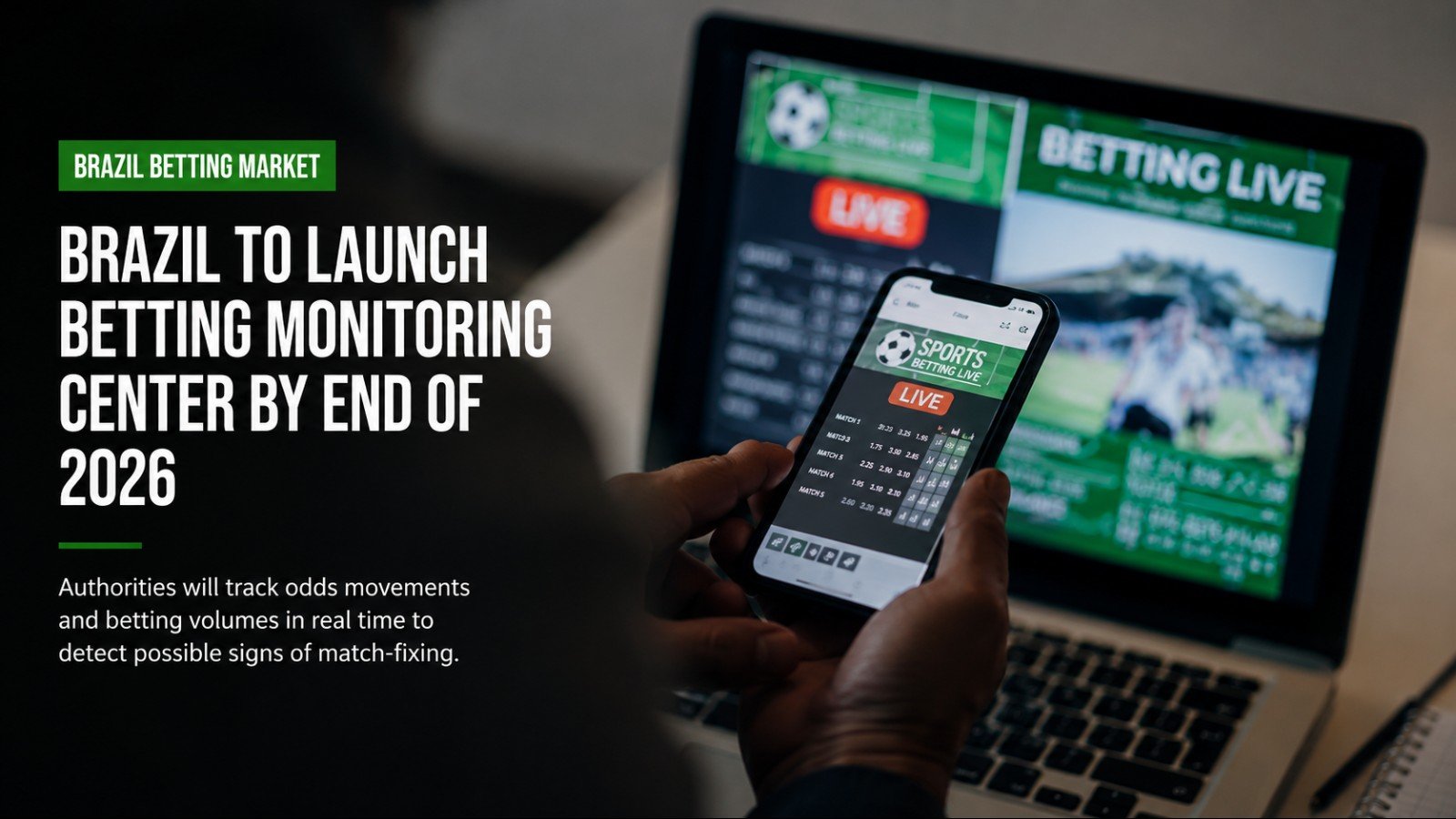
Brazilian authorities plan to launch a monitoring center for the sports betting market by the end of 2026, designed to identify possible signs of match-fixing, according to a report by SportClan.
The system will track odds movements and betting volumes in real time, with particular focus on the period immediately before matches. A sharp increase in bets on a specific outcome or unusual odds fluctuations would trigger a signal for further review. Data will be collected from bookmakers and organizations that monitor suspicious activity across the betting market and receive information from multiple operators. The system is designed to function similarly to financial market monitoring centers: if betting volume spikes unusually or odds shift abnormally, it will generate an alert for additional analysis rather than an automatic determination of wrongdoing.
Authorities emphasized that anomalous activity alone will not be treated as proof that a match was fixed, but will instead serve as grounds for further investigation. The initiative reflects growing regulatory focus on integrity monitoring within Brazil's newly regulated betting market, aligning the country with international efforts to detect match-fixing patterns through coordinated data-sharing between operators and oversight bodies rather than relying on isolated reports.
As primeiras renovações de licenças nos Países Baixos permitem a oito operadores continuar a atividade durante cinco anos, após avaliações que consideraram expressamente o seu historial de conformidade.

O setor do jogo da Tanzânia gerou cerca de 116,7 milhões de dólares em receitas fiscais anuais, com o acesso móvel e os pagamentos digitais a impulsionarem o crescimento e uma maior coordenação regulatória.

A Spelinspektionen proibiu a Immortal Snail LLC de operar na Suécia sem licença após detetar a manutenção de conteúdos em sueco, opções em moeda local e ações de marketing.

A Coolbet abriu consultas sobre demissões coletivas na Estônia, citando dificuldades empresariais, resultados B2B mais fracos e crescente pressão regulatória e tributária em vários mercados.


Comentários (0)
Ainda sem comentários. Seja o primeiro!