
Neymar Appears in Instagram Video Featuring 1win Branding
A video posted by Instagram creator lunetroy shows Neymar on a football pitch with 1win branding, although no partnership has been announced.

This website contains information about gambling and betting and is intended for adults only. You must be at least 18 (or the legal age in your country) to enter.
Gambling can be addictive. Please play responsibly.
Proposed reforms would introduce progressive gambling taxation, mandatory player cards and cashless venues, with implementation dates extending from 2027 to 2029.
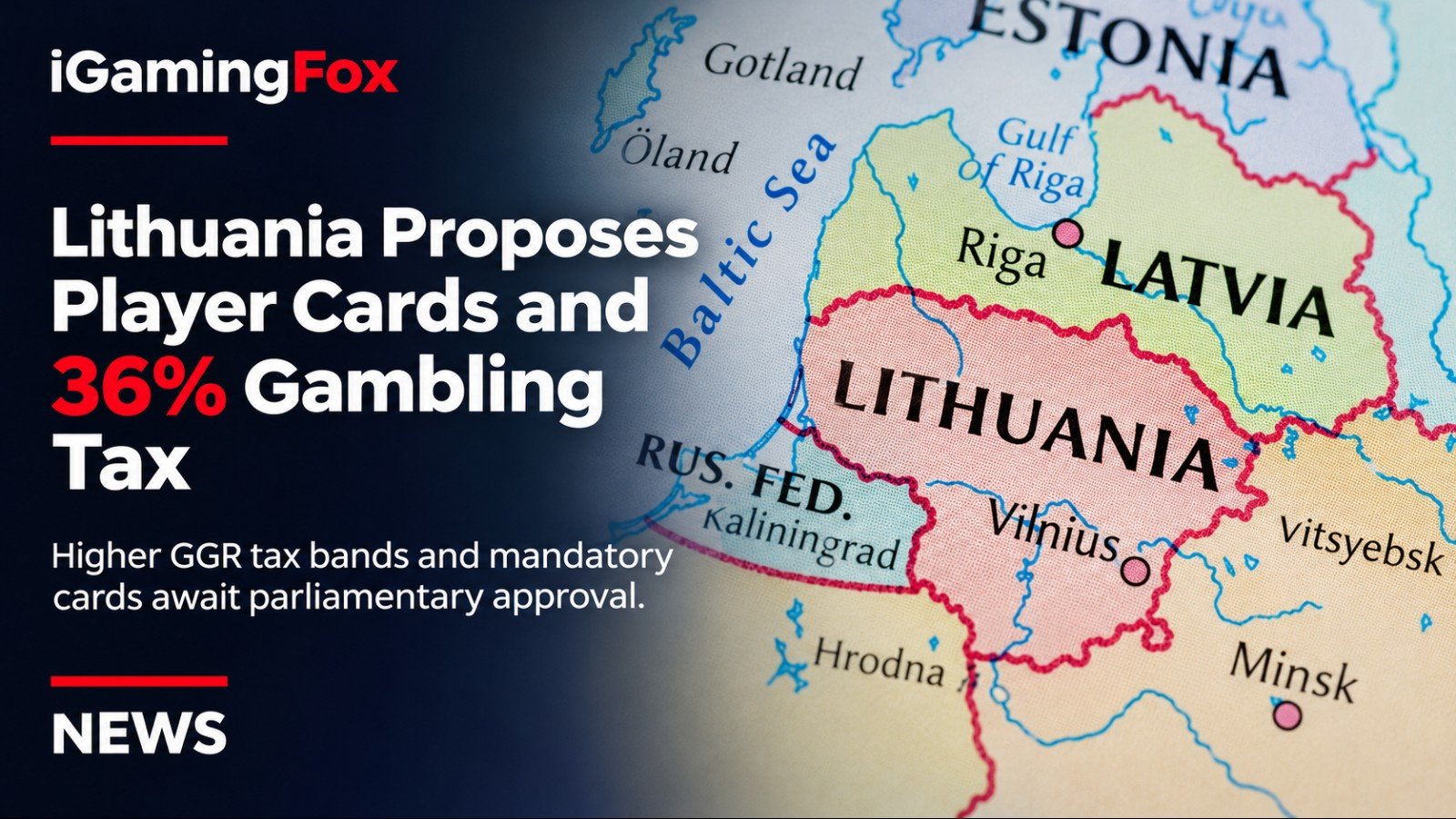
Lithuania is preparing gambling reforms that would raise taxes on larger operators and introduce mandatory player cards across online and land-based gambling.
The proposals follow separate legislative tracks, with different implementation schedules. They remain subject to parliamentary approval.
The Finance Ministry proposes retaining the current 22% rate on the first €3 million of gross gaming revenue, applying 29% to the portion between €3 million and €5 million, and charging 36% on amounts exceeding €5 million.
The higher rates would apply progressively to the relevant revenue bands, rather than imposing 36% on an operator’s entire GGR.
Lottery taxation would increase from 18% to 20%. The ministry estimates that the proposed changes could generate up to €36 million in additional budget revenue, based on operators’ 2025 performance.
The tax changes are proposed for July 2027, according to iGaming Today.
Separate Gaming Law amendments would require a physical or digital player card for access to gambling services.
The cards would centrally record stakes, winnings and selected spending and time limits, including activity spread across multiple operators. The proposal also seeks to remove cash from gambling venues.
Operators would have to assess players’ financial capabilities where their selected maximum monthly loss exceeds €20,000. Players would need supporting documents, such as income statements or bank records, before being permitted to gamble at those limits.
The Finance Ministry proposes May 1, 2027 for the general Gaming Law changes.
Mandatory player cards and cashless payment provisions would follow on January 1, 2029, allowing operators additional time to adapt their systems and equipment. These dates are proposed commencement dates, rather than confirmation that the measures are already law.
A video posted by Instagram creator lunetroy shows Neymar on a football pitch with 1win branding, although no partnership has been announced.
Proposed reforms would introduce progressive gambling taxation, mandatory player cards and cashless venues, with implementation dates extending from 2027 to 2029.
Publication pauses at three Polish websites and reported communication problems with bookmaker partners have prompted speculation, but Better Collective has not announced a market exit.

The operator says players should contact VIP managers only through its website’s rewards page and disregard unsolicited messages requesting credentials or transfers.


Breaking iGaming news, bonuses and event alerts — straight to your phone.
Join the channel
Comments (0)
No comments yet. Be the first!