
Dutch MPs Back New Measures Against Illegal Online Gambling
The package calls for platform penalties, a central list of illegal operators and a pilot targeting payment, hosting and other infrastructure supporting the unlicensed market.
This website contains information about gambling and betting and is intended for adults only. You must be at least 18 (or the legal age in your country) to enter.
Gambling can be addictive. Please play responsibly.
Betting logos must be removed from physical sponsorship and advertising materials by October 5, putting hundreds of millions of dollars in football commercial revenue at risk.
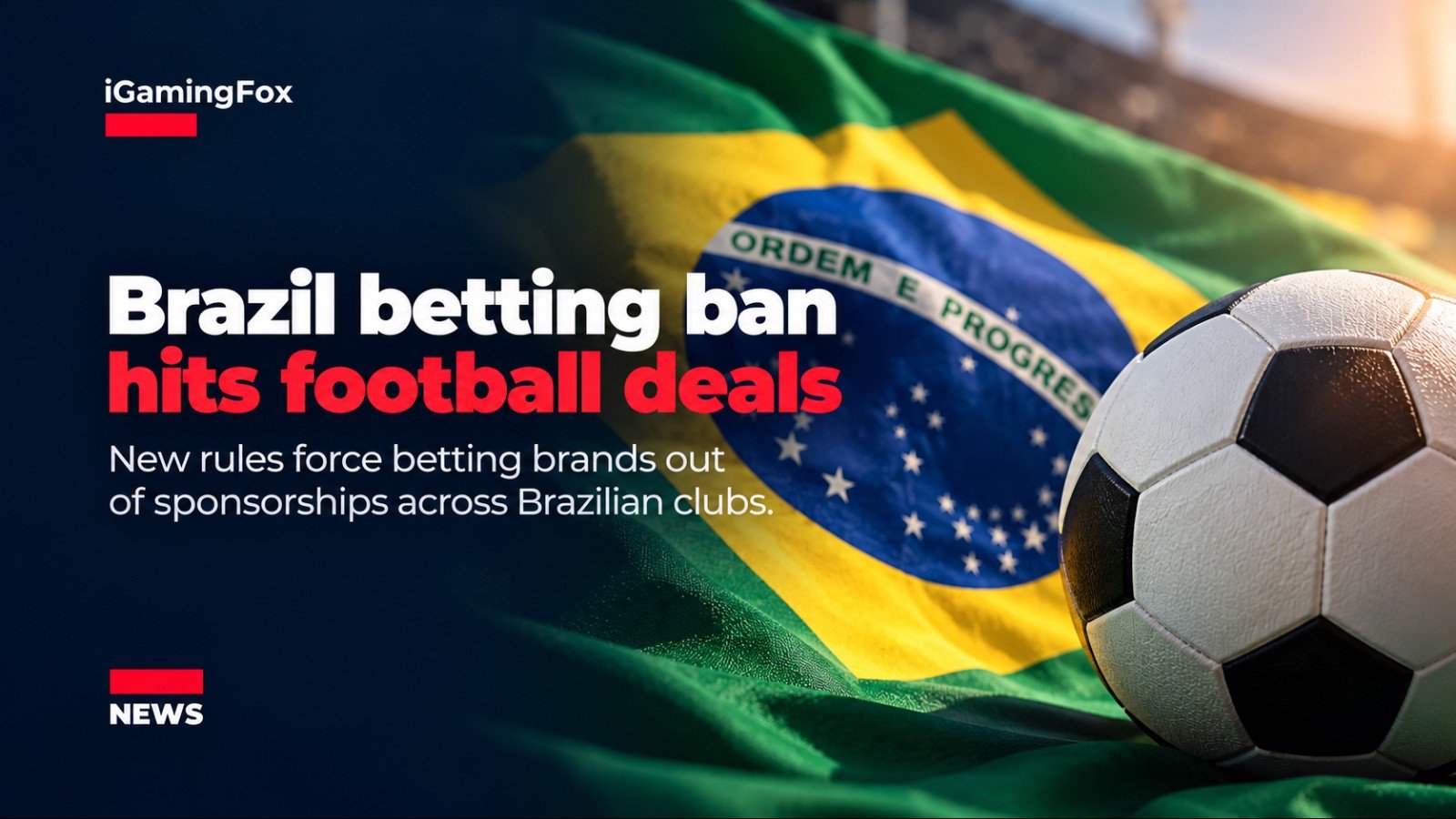
Brazil's gambling ban is forcing betting companies out of football sponsorships, putting major commercial agreements across the country's clubs and competitions under immediate pressure.
Under the provisional measure signed by President Luiz Inácio Lula da Silva on September 25, fixed-odds betting operators can no longer advertise or enter into sponsorship arrangements in Brazil. Existing physical and outdoor sponsorship materials must be removed by October 5.
The restrictions affect shirt branding, stadium advertising and other commercial assets that have become a major source of revenue for Brazilian football.
The biggest exposure is in Brazil's Serie A, where 14 of the 20 clubs currently have betting companies as their main shirt sponsors.
Those master sponsorship agreements are worth approximately R$910 million per year, equivalent to around $175 million based on late-September exchange rates. Flamengo, Corinthians and Palmeiras are among the clubs with the largest individual agreements.
The financial impact extends beyond main shirt deals.
Betting companies contributed around R$1.03 billion to Serie A club sponsorship revenue in 2025, according to research cited by Brazilian media. That represented roughly 7% of the clubs' total revenue and around one-third of their commercial income.
The sudden removal of this money leaves clubs with limited time to replace sponsors that in some cases signed multi-year agreements.
Several operators had already warned clubs that contracts could be suspended or terminated if gambling advertising became legally impossible.
The restrictions create operational issues beyond the loss of sponsorship payments.
Clubs have already produced shirts and other merchandise carrying betting logos, while stadiums contain advertising boards and other branded assets that now need to be changed.
Commercial agreements may also contain different clauses covering regulatory changes. Some could allow immediate termination without penalties, while others may require suspension, renegotiation or repayment of money already received.
The impact also reaches companies working around football sponsorships, including kit manufacturers, retailers, agencies and other businesses involved in producing and distributing branded materials.
The precise financial loss will depend on how existing contracts are terminated and whether clubs can secure replacement sponsors.
The federal government is also discussing a financial restructuring programme for football clubs and football corporations, known as SAFs.
The proposal includes a credit line of up to R$20 billion, approximately $3.8 billion, that could allow clubs to refinance existing liabilities using cheaper, longer-term borrowing.
The plan under discussion would provide repayment periods of up to 20 years and a two-year grace period. It would be structured as financing rather than debt forgiveness and has not yet been formally implemented.
Funds would be intended primarily for refinancing existing financial, tax and labour liabilities and supporting infrastructure rather than financing player transfers or current wage bills.
The proposal has gained urgency following the betting ban, although some financially stronger clubs may decide they do not need government-backed financing.
Betting companies became one of the most important commercial partners in Brazilian football after the regulated online market opened in January 2025.
Their presence expanded beyond club shirts into stadium advertising, competition naming rights, media campaigns and other sponsorship assets.
The September 25 decision reverses that trend in a matter of days.
Licensed operators must stop operating their betting platforms after the transition period, while the advertising restrictions mean football clubs cannot simply maintain sponsorship agreements while the wider legal situation is resolved.
The provisional measure is already in force but still requires congressional consideration to remain permanent. Until its legal status is settled, clubs face the immediate task of removing betting branding and replacing a sponsorship category that had become central to Brazilian football's commercial growth.
The package calls for platform penalties, a central list of illegal operators and a pilot targeting payment, hosting and other infrastructure supporting the unlicensed market.
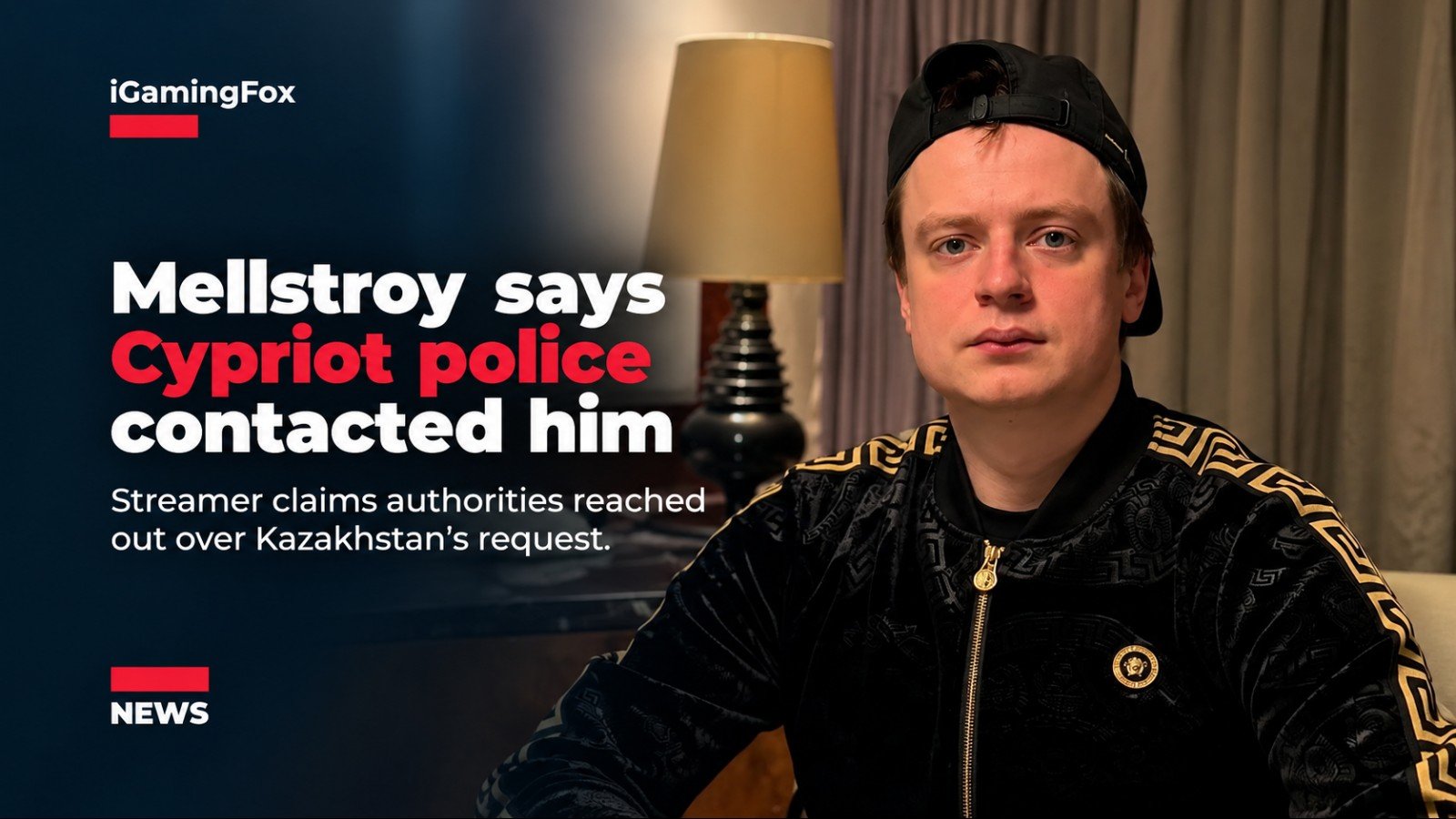
The streamer says Cypriot police acted following a request from Kazakhstan, but there is currently no official confirmation of his detention or an extradition process.
The new Evolution studio will make its wider North American debut in November, with its first slot already revealed and additional releases scheduled for 2027.

Betting logos must be removed from physical sponsorship and advertising materials by October 5, putting hundreds of millions of dollars in football commercial revenue at risk.

Breaking iGaming news, bonuses and event alerts — straight to your phone.
Join the channel
Comments (0)
No comments yet. Be the first!