
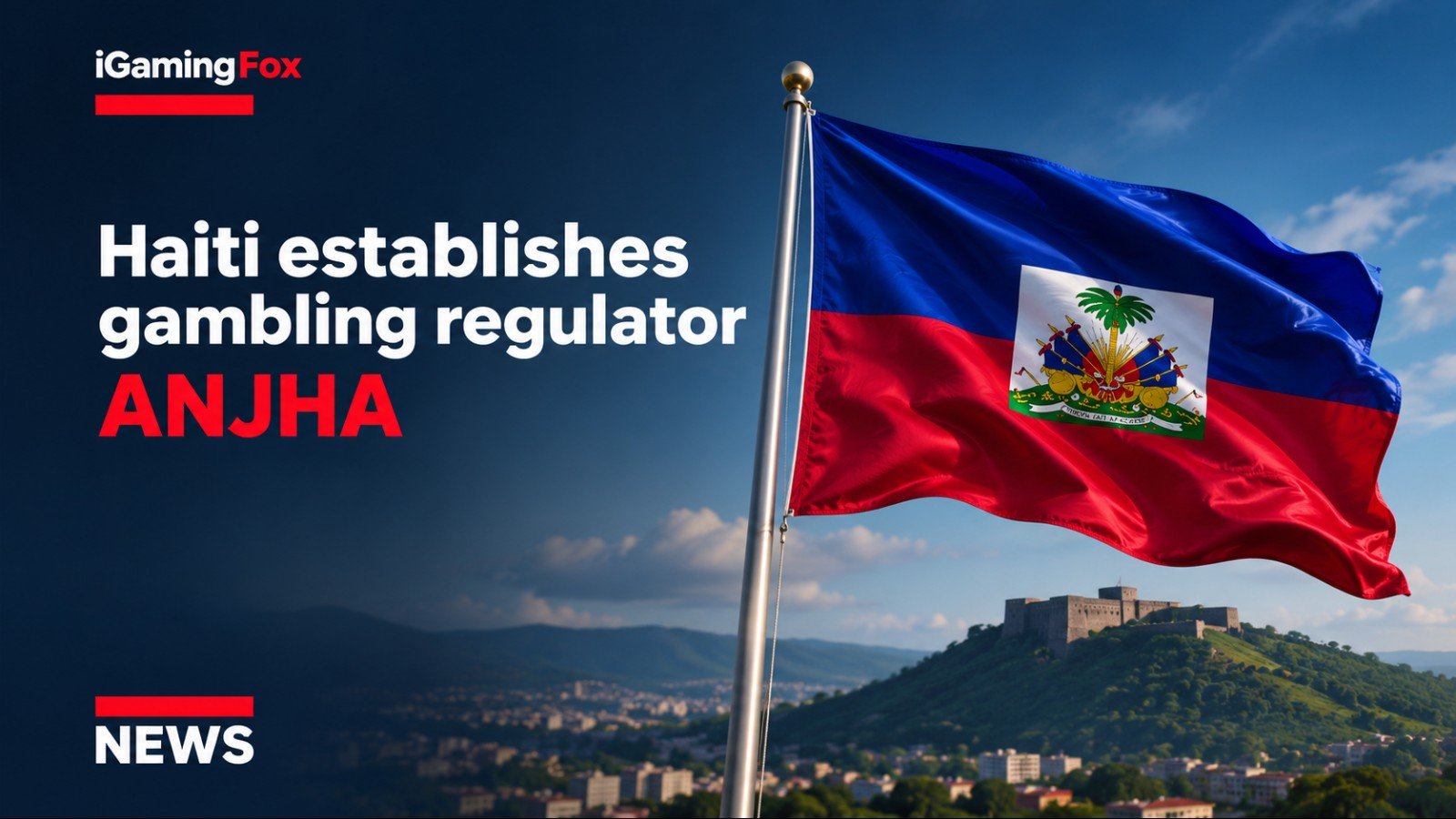
Haiti Establishes ANJHA as National Gambling Regulator
Haiti has created ANJHA to oversee gambling activities nationwide, while the tax authority DGI retains exclusive responsibility for collecting operators’ mandatory payments.
This website contains information about gambling and betting and is intended for adults only. You must be at least 18 (or the legal age in your country) to enter.
Gambling can be addictive. Please play responsibly.
Brazil’s Justice Ministry has restricted access to documents underpinning the country’s betting ban, citing risks to public safety and financial stability.
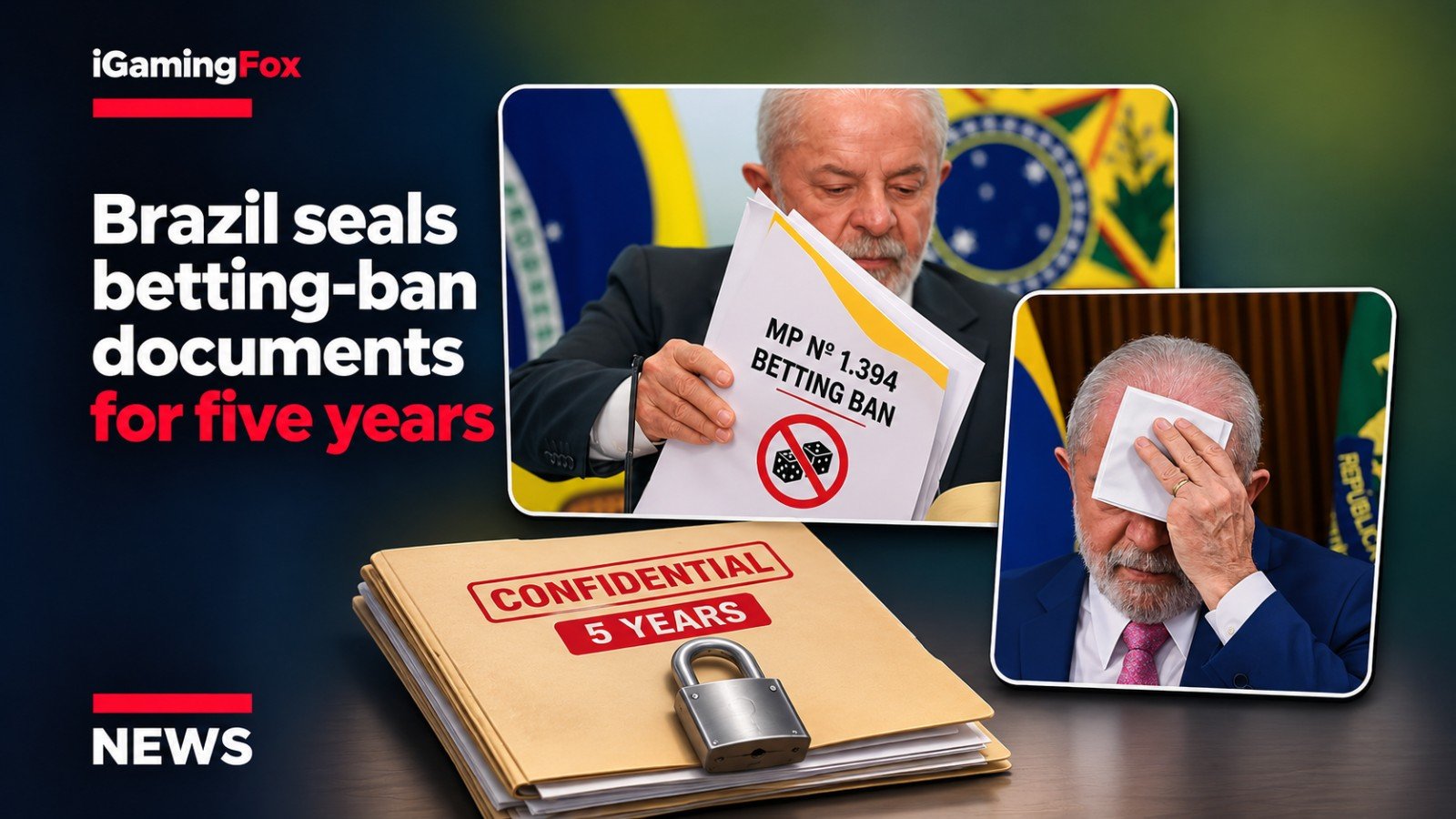
Brazil’s Ministry of Justice has imposed a five-year confidentiality restriction on documents used to prepare Provisional Measure No. 1,394, which banned betting and online casinos, according to Poder360.
The classification order was signed on September 24, one day before President Luiz Inácio Lula da Silva issued the measure. The government subsequently cited that order when rejecting a request for the preparatory documents under Brazil’s Access to Information Law.
Victor Oliveira Fernandes, the ministry’s secretary for digital rights, justified the restriction by citing statutory grounds concerning risks to the population’s life, safety or health, alongside serious threats to the country’s financial, economic or monetary stability.
Those grounds appear in Article 23 of Brazil’s Access to Information Law. However, citing them does not itself explain which specific information in the betting-ban documents could create such risks.
Poder360 said it asked the ministry to explain the criteria behind the classification but had received no response by publication.
Brazilian law provides three levels of classified information. The lowest, known as reservada, allows access restrictions lasting up to five years. The higher categories, secreta and ultrassecreta, carry maximum periods of 15 and 25 years respectively.
The restriction concerns the supporting documents used to develop the provisional measure. It limits public scrutiny of the material underlying the government’s decision while the ban remains subject to political and legal challenges.
According to Poder360’s November 4 report, the measure was due to remain valid until November 23, with the possibility of a further 60-day extension. Industry organisations and football clubs were also challenging its constitutionality before the Supreme Federal Court.
Haiti has created ANJHA to oversee gambling activities nationwide, while the tax authority DGI retains exclusive responsibility for collecting operators’ mandatory payments.
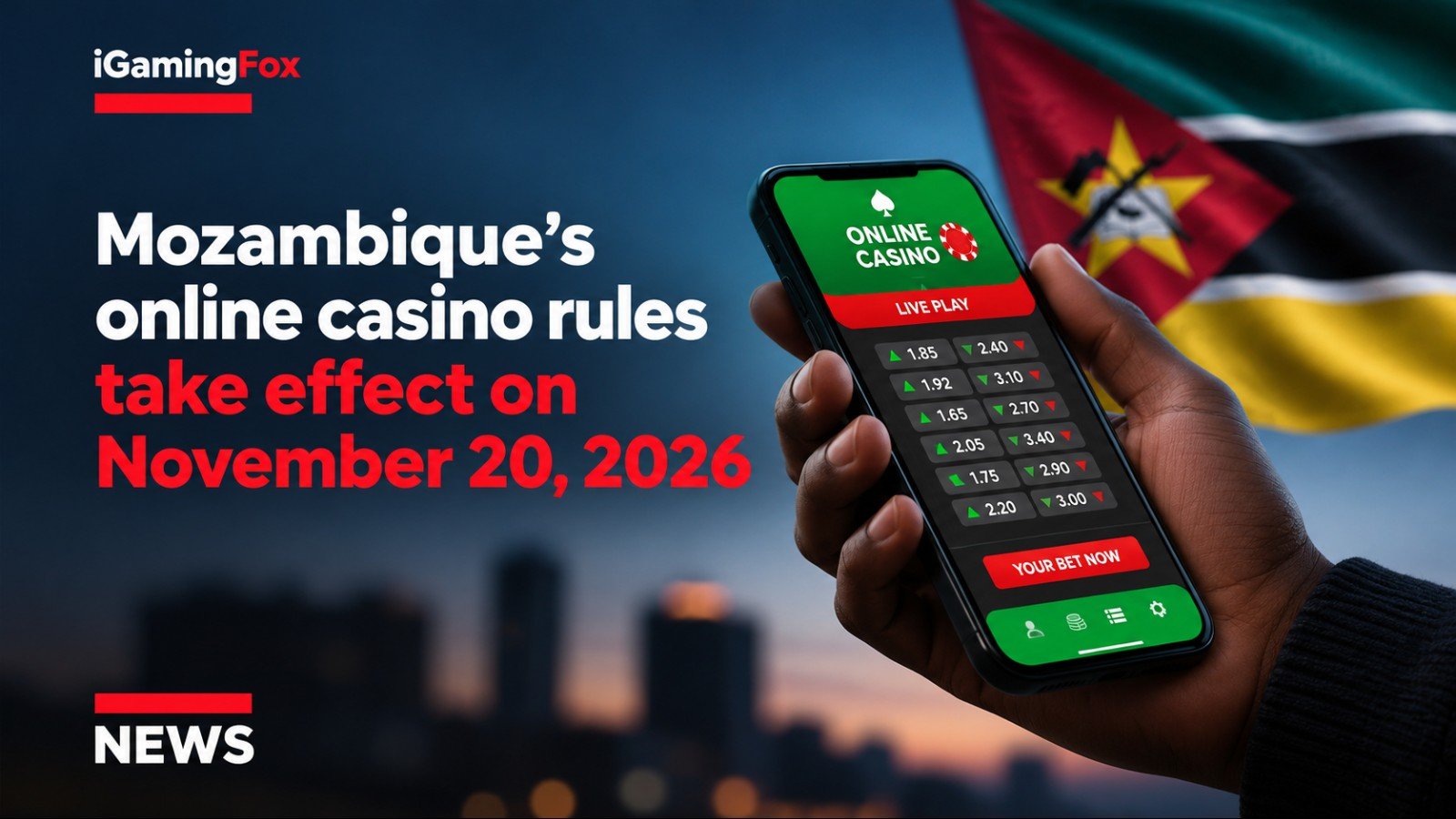
Mozambique’s new online casino framework introduces local ownership, capital and player-protection requirements, but a commercial launch date has not been confirmed.
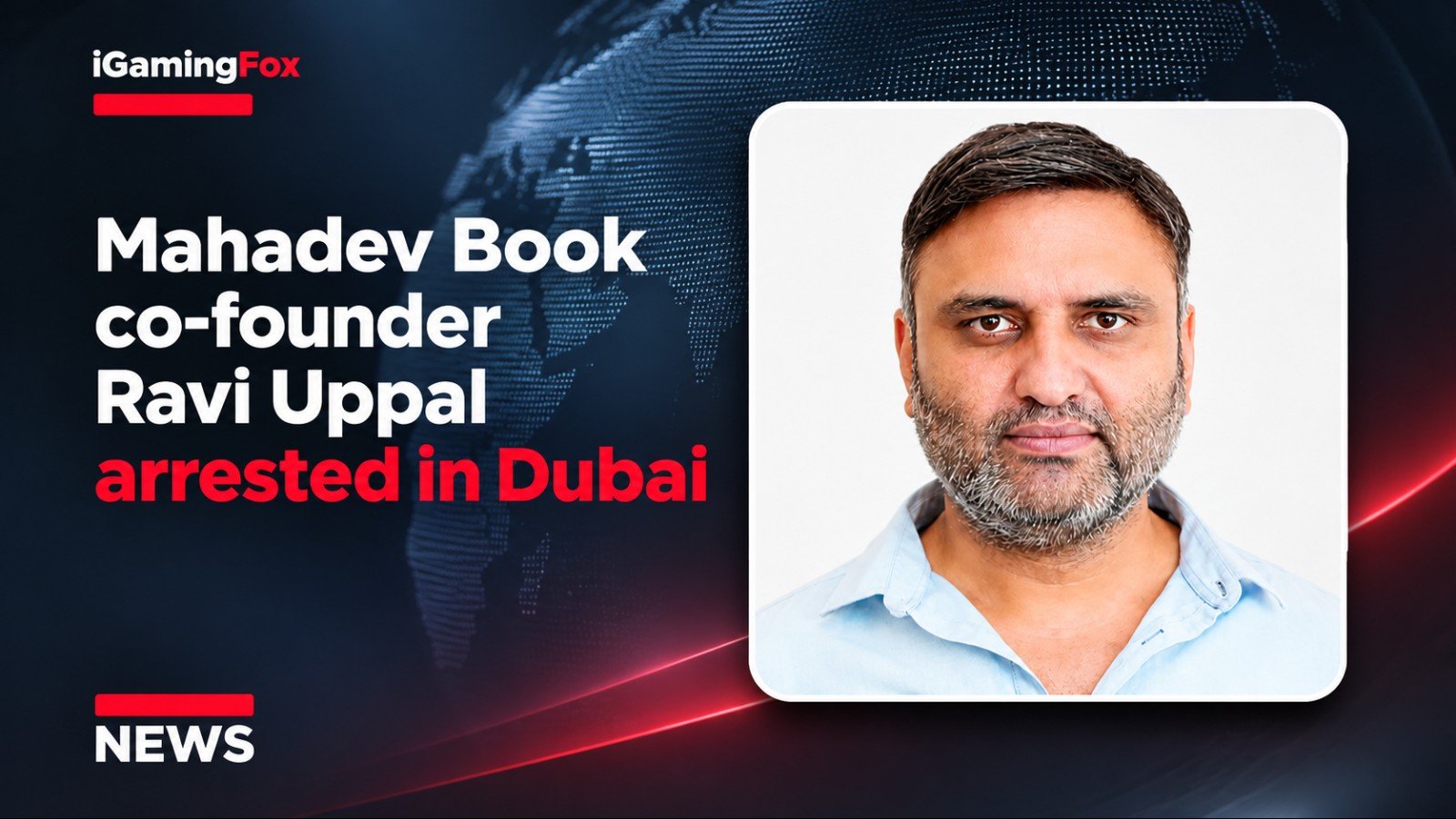
Indian authorities have initiated extradition proceedings for Mahadev Book co-founder Ravi Uppal following his reported arrest in Dubai, days after Saurabh Chandrakar’s return from Oman.
Brazil’s Justice Ministry has restricted access to documents underpinning the country’s betting ban, citing risks to public safety and financial stability.

Breaking iGaming news, bonuses and event alerts — straight to your phone.
Join the channel
Comments (0)
No comments yet. Be the first!