
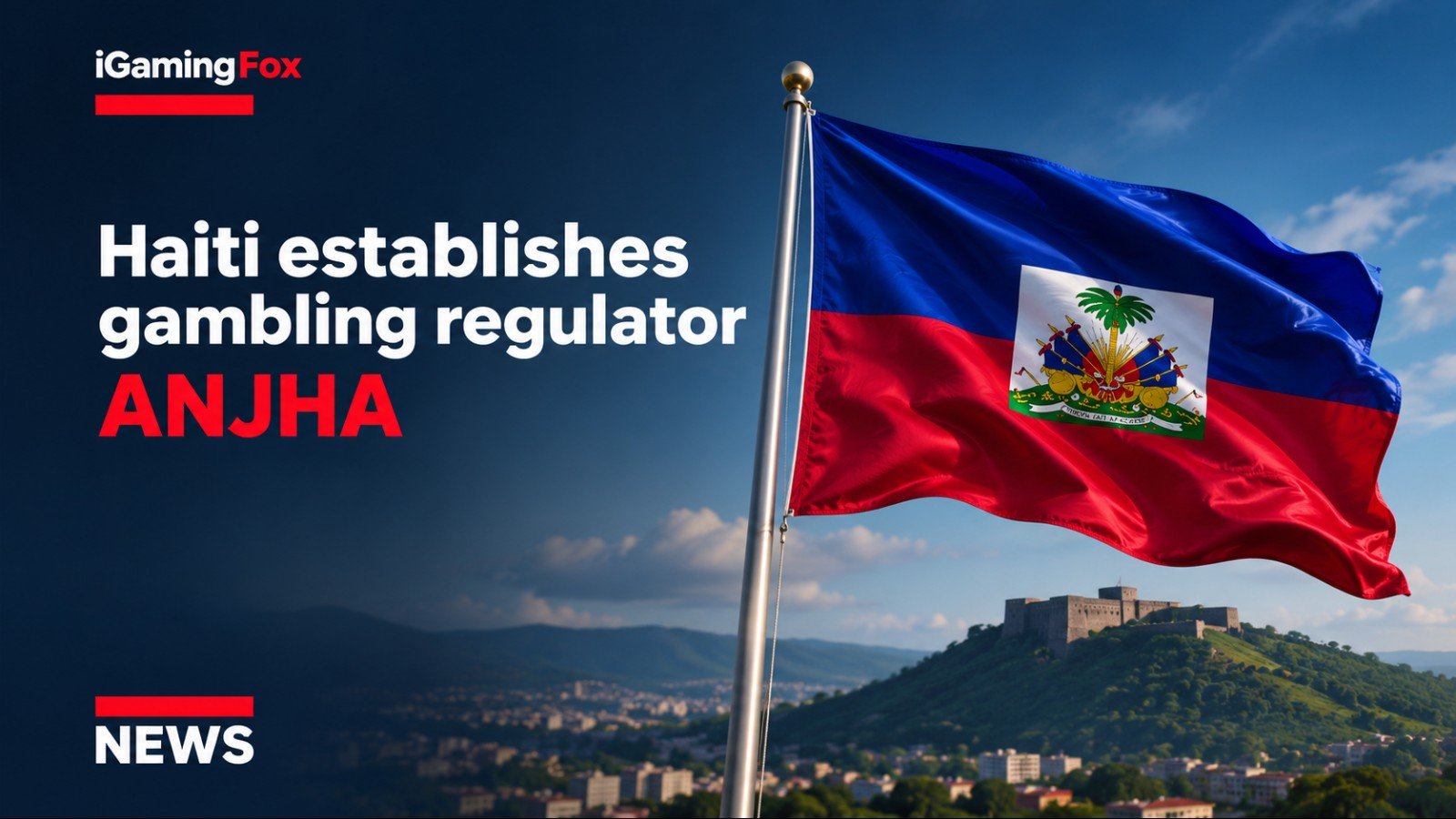
Haiti Establishes ANJHA as National Gambling Regulator
Haiti has created ANJHA to oversee gambling activities nationwide, while the tax authority DGI retains exclusive responsibility for collecting operators’ mandatory payments.
This website contains information about gambling and betting and is intended for adults only. You must be at least 18 (or the legal age in your country) to enter.
Gambling can be addictive. Please play responsibly.
ESRI research links reported session starts to advertising and notifications, while finding that 38% of people who opened accounts for sports or horse betting later tried other products.
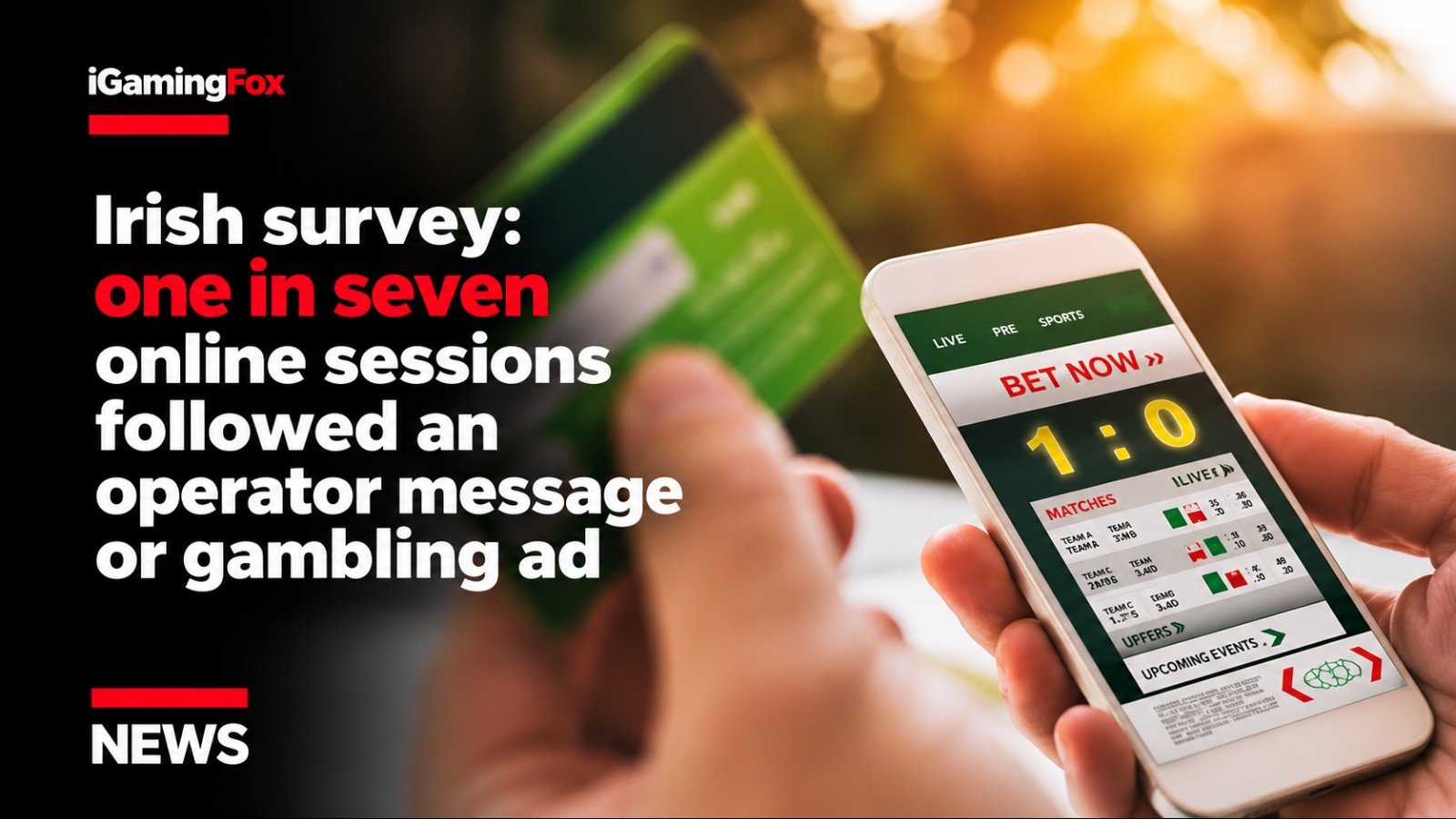
Around one in seven respondents to an Irish gambling survey said their most recent online session directly followed an operator email, app notification or gambling advertisement.
The Economic and Social Research Institute (ESRI) conducted the study for the Gambling Regulatory Authority of Ireland (GRAI). It surveyed 1,000 adults who had gambled during the previous year, excluding people whose only activity was buying lottery tickets or scratchcards in person.
The finding concerns respondents’ recollection of their latest online session. It does not measure the proportion of all gambling sessions caused by advertising.
Other reported prompts included reminders of upcoming events and watching sport. Boredom or stress accounted for 16.4% of the most recent online sessions, while 5.6% were attributed to attempts to recover earlier losses.
Operator communications were widespread. Nearly two-thirds of account holders reported receiving emails, 52% received app notifications and 16% received text messages. Around a quarter of those receiving app alerts said they arrived daily or more often.
Among respondents who initially opened an account for sports or horse-race betting, 38% subsequently used other products, including online casino games, slots, bingo or scratchcards.
The research also found that online account ownership often extended across multiple businesses. Around one in ten online gamblers had four or more accounts.
In their latest session, 26% of online gamblers said they lost “a lot,” compared with 17% of people gambling in person. These are respondents’ descriptions of their losses, rather than a standard monetary threshold.
Approximately one-quarter of respondents were trying to reduce their gambling or planned to do so.
Among those trying to cut back, commonly reported strategies included willpower and checking account histories. Fewer than one in ten used self-exclusion, while only a minority set limits, closed accounts or deleted apps.
ESRI said the findings point to tensions between some gamblers’ immediate behaviour and longer-term intentions, alongside differences in how easily customers can open and close accounts or deposit and withdraw money.
Haiti has created ANJHA to oversee gambling activities nationwide, while the tax authority DGI retains exclusive responsibility for collecting operators’ mandatory payments.
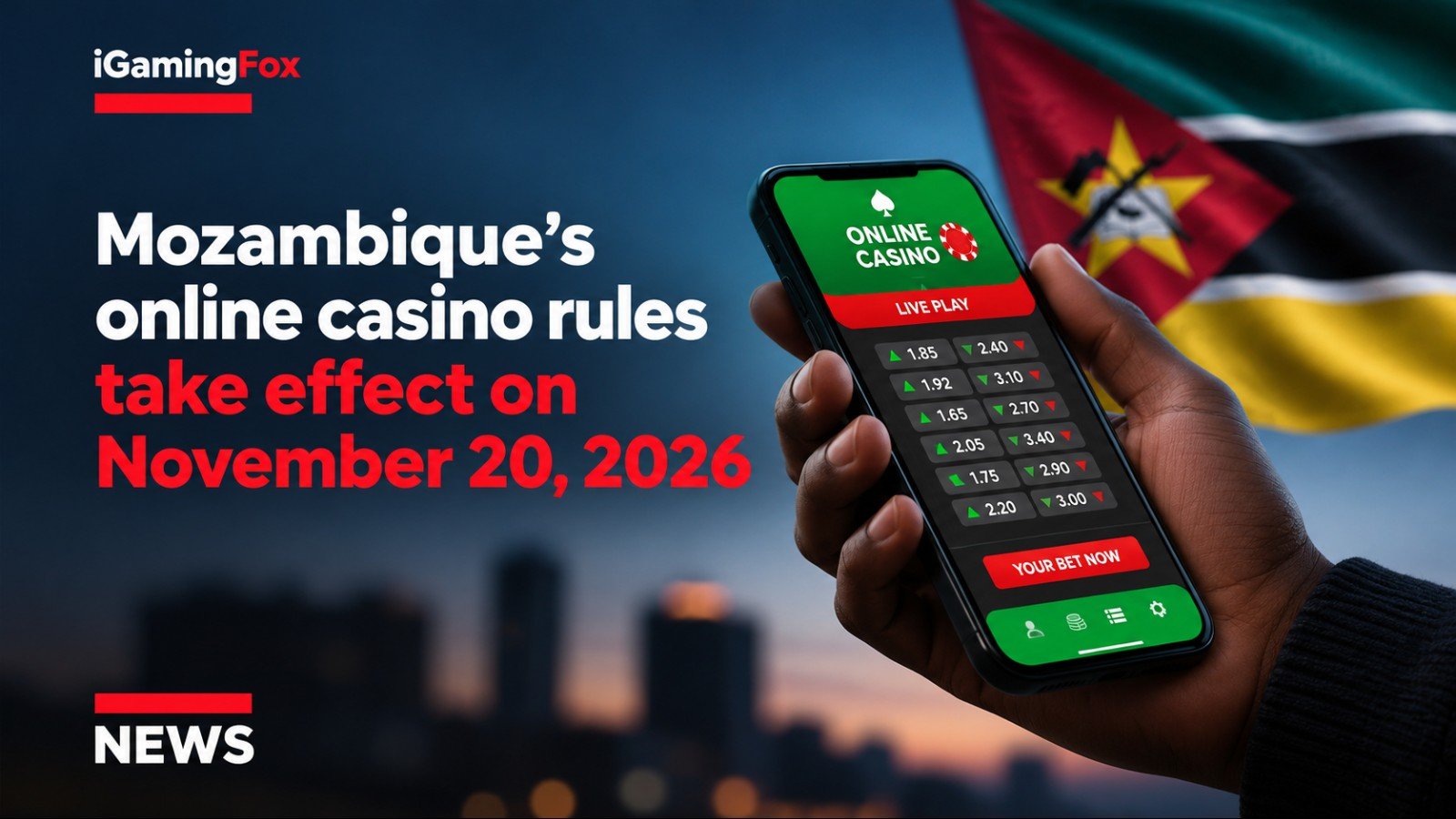
Mozambique’s new online casino framework introduces local ownership, capital and player-protection requirements, but a commercial launch date has not been confirmed.
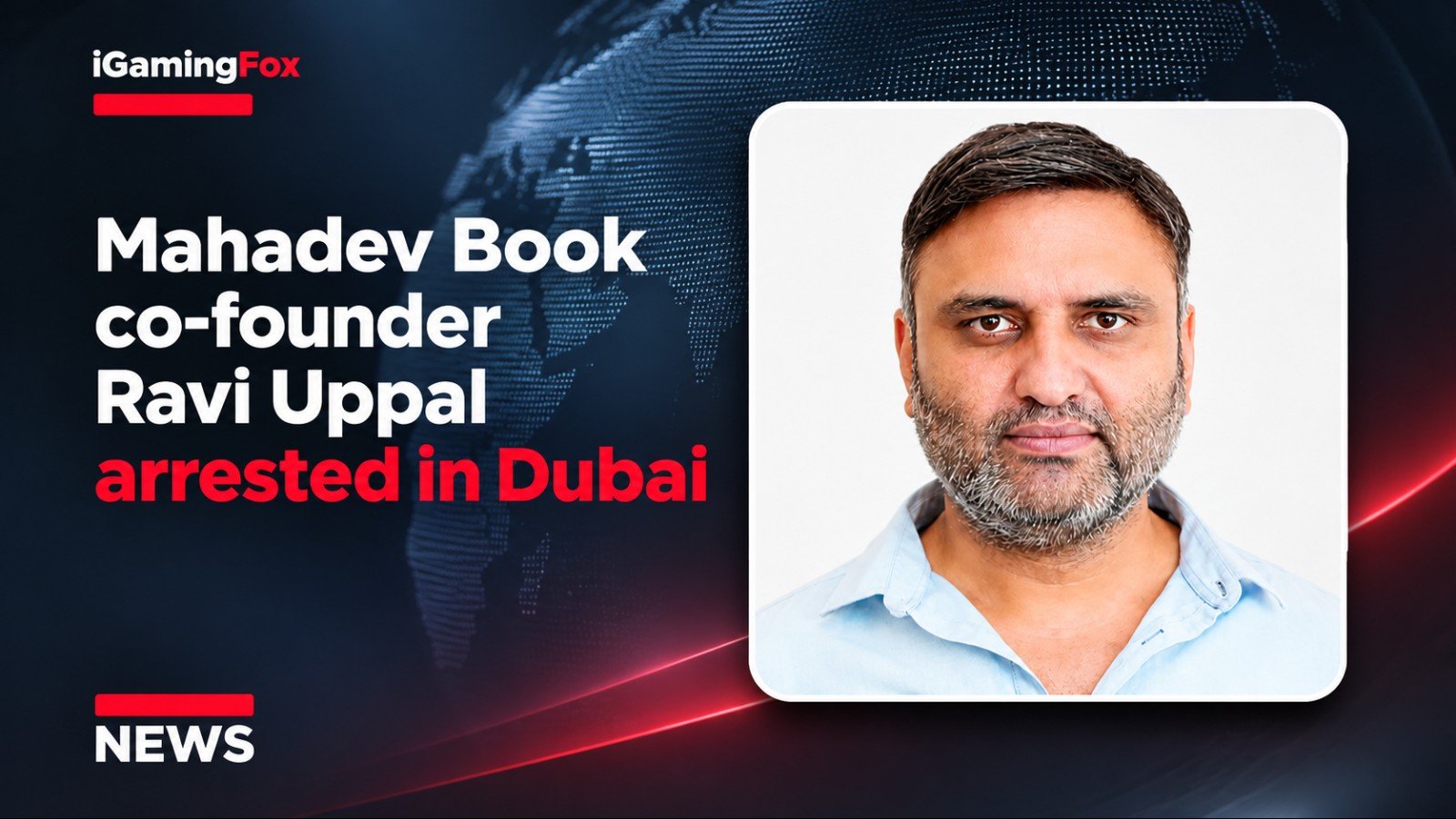
Indian authorities have initiated extradition proceedings for Mahadev Book co-founder Ravi Uppal following his reported arrest in Dubai, days after Saurabh Chandrakar’s return from Oman.
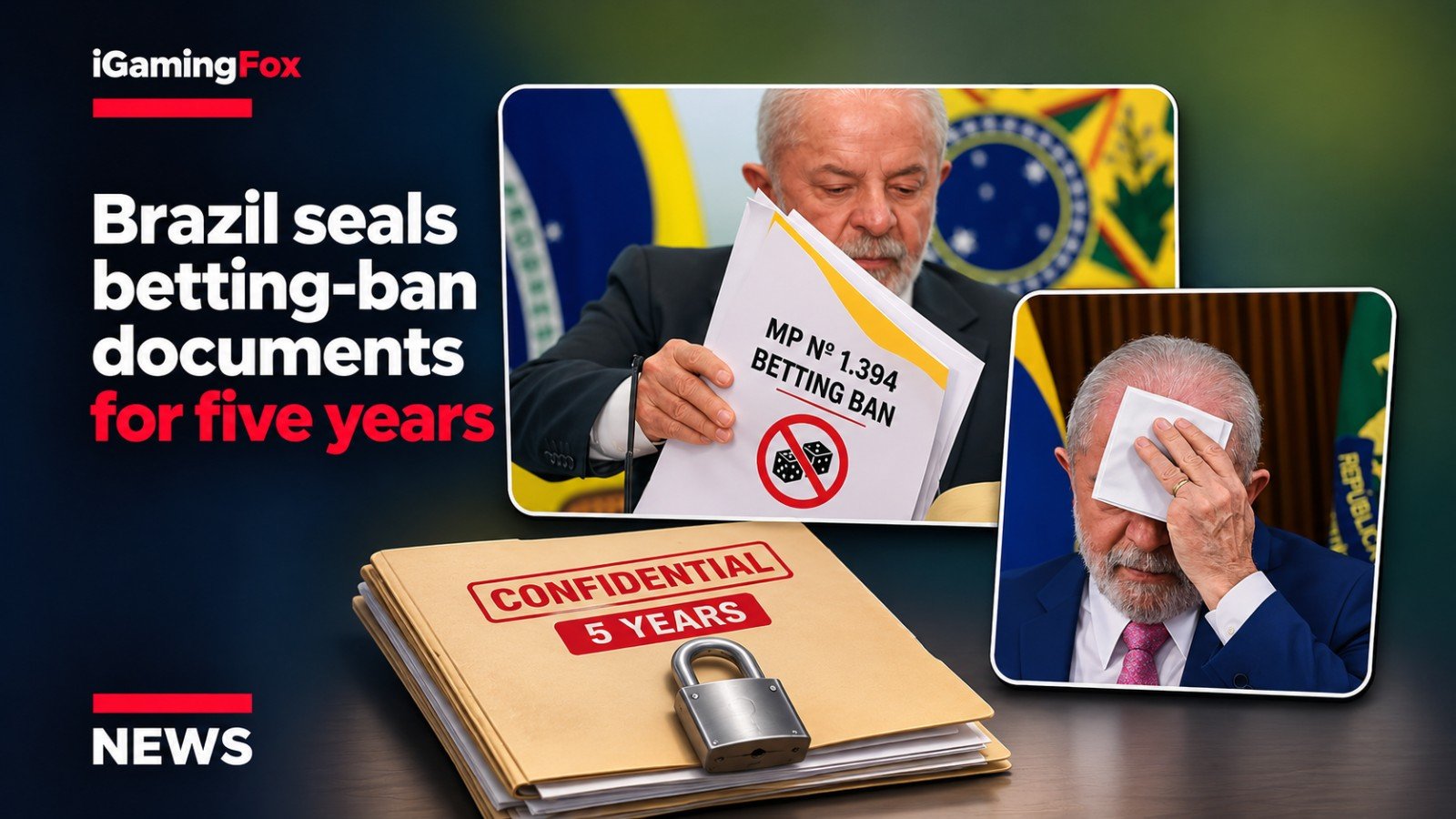
Brazil’s Justice Ministry has restricted access to documents underpinning the country’s betting ban, citing risks to public safety and financial stability.

Breaking iGaming news, bonuses and event alerts — straight to your phone.
Join the channel
Comments (0)
No comments yet. Be the first!