
Finland’s Gambling Licence Register Expands to 25 Companies
The approved-company list has more than doubled since late October, with licences taking effect when Finland’s competitive gambling market opens in July 2027.
This website contains information about gambling and betting and is intended for adults only. You must be at least 18 (or the legal age in your country) to enter.
Gambling can be addictive. Please play responsibly.
VNLOK is asking a Dutch court to find Meta in breach of its Digital Services Act obligations and require stronger preventive controls against unlicensed gambling advertising.
The Netherlands Online Gambling Association VNLOK has filed a lawsuit against Meta over advertising for unlicensed gambling operators appearing on Facebook and Instagram and targeting Dutch consumers.
The association, which represents licensed online gambling companies in the Netherlands, wants the court to rule that Meta is failing to meet its obligations under the EU Digital Services Act.
VNLOK is also seeking measures that would require Meta to identify and block illegal gambling advertisements before they are published, rather than relying primarily on removal after ads have already reached users.
The case follows repeated complaints from the licensed gambling industry about the scale of offshore casino advertising on Meta's platforms.
The central issue in the lawsuit is Meta's approach to preventing advertisements from gambling companies that are not authorised to target players in the Netherlands.
VNLOK argues that removing individual advertisements after they have appeared does not provide an effective response because advertisers can create new campaigns, accounts or domains.
The association is therefore seeking a more preventive system capable of distinguishing authorised gambling businesses from unlicensed operators and affiliates before their campaigns go live.
VNLOK says it has repeatedly raised the issue directly with Meta but considers the resulting measures insufficient.
The court has not yet ruled on whether Meta has breached the Digital Services Act. The allegations in the lawsuit therefore represent VNLOK's legal position rather than an established finding against the technology company.
The legal action follows earlier monitoring conducted by VNLOK into gambling advertising on Facebook.
According to the association, as much as 98.8% of the gambling advertisements identified in parts of its analysis were connected with operators that did not hold the required Dutch licence.
VNLOK also estimated that Meta removed only around 11% to 15% of the advertisements it had identified as problematic.
Those figures come from the association's own monitoring and should not be treated as a complete measurement of all gambling advertising shown across Facebook or Instagram.
VNLOK chairman Helma Lodders has said the organisation has repeatedly asked Meta to improve enforcement against illegal gambling promotion but has not seen sufficient structural change.
The dispute highlights the different conditions faced by licensed and unlicensed gambling businesses when competing for Dutch players.
Operators regulated by the Kansspelautoriteit must comply with Dutch gambling advertising and consumer protection requirements, while offshore businesses targeting the same audience may advertise without observing those restrictions.
For licensed companies, advertising by unlicensed competitors can therefore become both a regulatory and commercial issue.
The lawsuit also shifts attention from individual offshore casinos toward the digital platforms that provide access to potential customers.
Social media advertising can remain an important acquisition channel even when authorities block gambling websites or take enforcement action against individual operators.
VNLOK's action seeks to establish whether Meta's existing advertising controls are sufficient under European platform regulation when illegal gambling promotion repeatedly reaches consumers.
A decision in VNLOK's favour could increase pressure on platforms to use licensing data and other verification systems before accepting gambling advertisements.
The practical requirements would depend on the court's eventual ruling and any measures it orders Meta to implement.
The case comes as the Dutch gambling sector increasingly focuses enforcement efforts on the infrastructure surrounding unlicensed operators, including advertising platforms, payment services, hosting providers and other intermediaries.
For VNLOK, the objective is to move enforcement further upstream by preventing illegal gambling advertisements from reaching Dutch users in the first place.
The approved-company list has more than doubled since late October, with licences taking effect when Finland’s competitive gambling market opens in July 2027.
AGLC can negotiate a sale of its online gambling platform, subject to privacy conditions and a 90-day player opt-out period, but no transaction has been agreed.
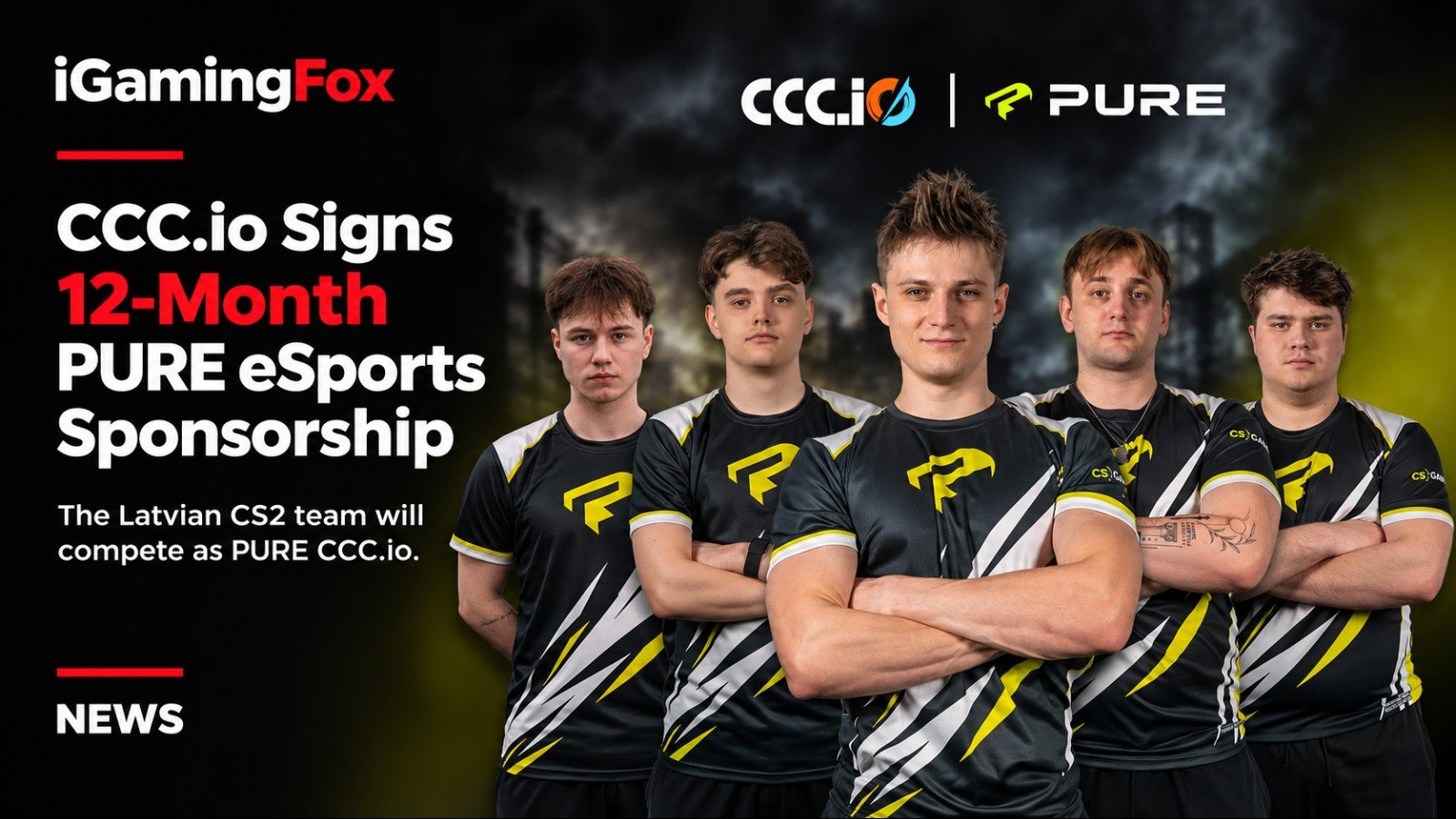
The Latvian Counter-Strike 2 team has adopted the name PURE CCC.io under an agreement making the operator its exclusive crypto casino partner.
Proceedings involving Blockdance BV and Small House BV have ended after the trustee reported empty estates, leaving no funds for creditor distributions.

Breaking iGaming news, bonuses and event alerts — straight to your phone.
Join the channel
Comments (0)
No comments yet. Be the first!