
Fake Dutch Regulator Website Listed Unlicensed Casinos as Authorised
A cloned KSA website falsely linked four gambling brands to genuine licence holders, prompting police reports and the site’s removal.

This website contains information about gambling and betting and is intended for adults only. You must be at least 18 (or the legal age in your country) to enter.
Gambling can be addictive. Please play responsibly.
A 39-year-old carer used a vulnerable patient's bank card for more than £7,000 in unauthorised spending, including online gambling, Amazon purchases and Deliveroo orders.
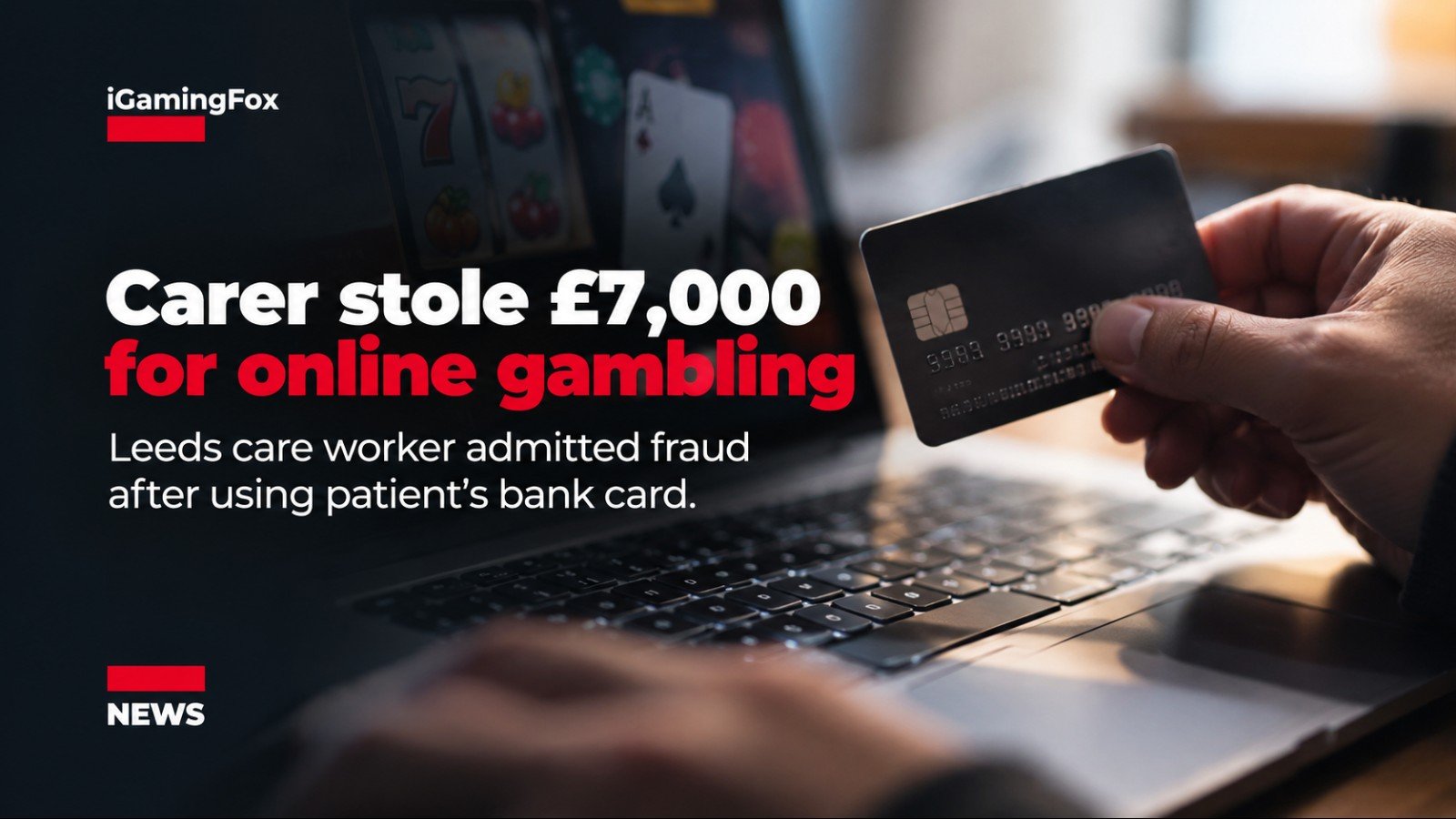
A carer in Leeds has admitted fraud after using a housebound patient's bank card to spend more than £7,000 on online gambling, Amazon purchases and food deliveries.
Sophia Anderson, 39, pleaded guilty at Leeds Magistrates' Court on September 30 and is awaiting sentencing.
The court heard that Anderson had access to the bank card and PIN because the patient required round-the-clock care and was unable to leave her home to withdraw cash or make purchases herself.
The card had been entrusted to Anderson to buy items on the patient's behalf while she was working for care provider Be Kind.
Prosecutor Mark Edwards told the court that approximately £5,000 of the patient's money was spent on a combination of online gambling and purchases from Amazon.
The gambling operators involved were not identified in court reporting, and no breakdown was provided showing how much of the £5,000 went specifically toward betting or gaming activity.
A further amount exceeding £2,000 was spent through food delivery service Deliveroo.
Together, the transactions took the unauthorised spending above £7,000.
The case therefore does not establish that the entire amount was lost through gambling, with a substantial portion also linked to retail and food purchases.
The activity was discovered in October 2024 after the patient's bank identified suspicious transactions.
The patient, Carol O'Neile, depended on carers for everyday assistance and had given Anderson legitimate access to her payment card for shopping.
Prosecutors said that position of trust allowed Anderson to use the card for transactions unrelated to the patient's needs.
The case subsequently resulted in criminal proceedings, with Anderson admitting the fraud rather than contesting the charge at trial.
Anderson is due to be sentenced at a later hearing.
The court will determine the penalty after considering the amount involved, the circumstances of the offence and the fact that the victim was a vulnerable person who relied on the defendant for care.
From an iGaming perspective, the case is another example of gambling spending appearing within a broader financial abuse investigation rather than as a standalone gambling offence.
No allegations have been made against the unnamed gambling operators that processed the transactions, and the available court reporting does not indicate whether individual deposits were flagged or whether any operator intervention took place.
A cloned KSA website falsely linked four gambling brands to genuine licence holders, prompting police reports and the site’s removal.
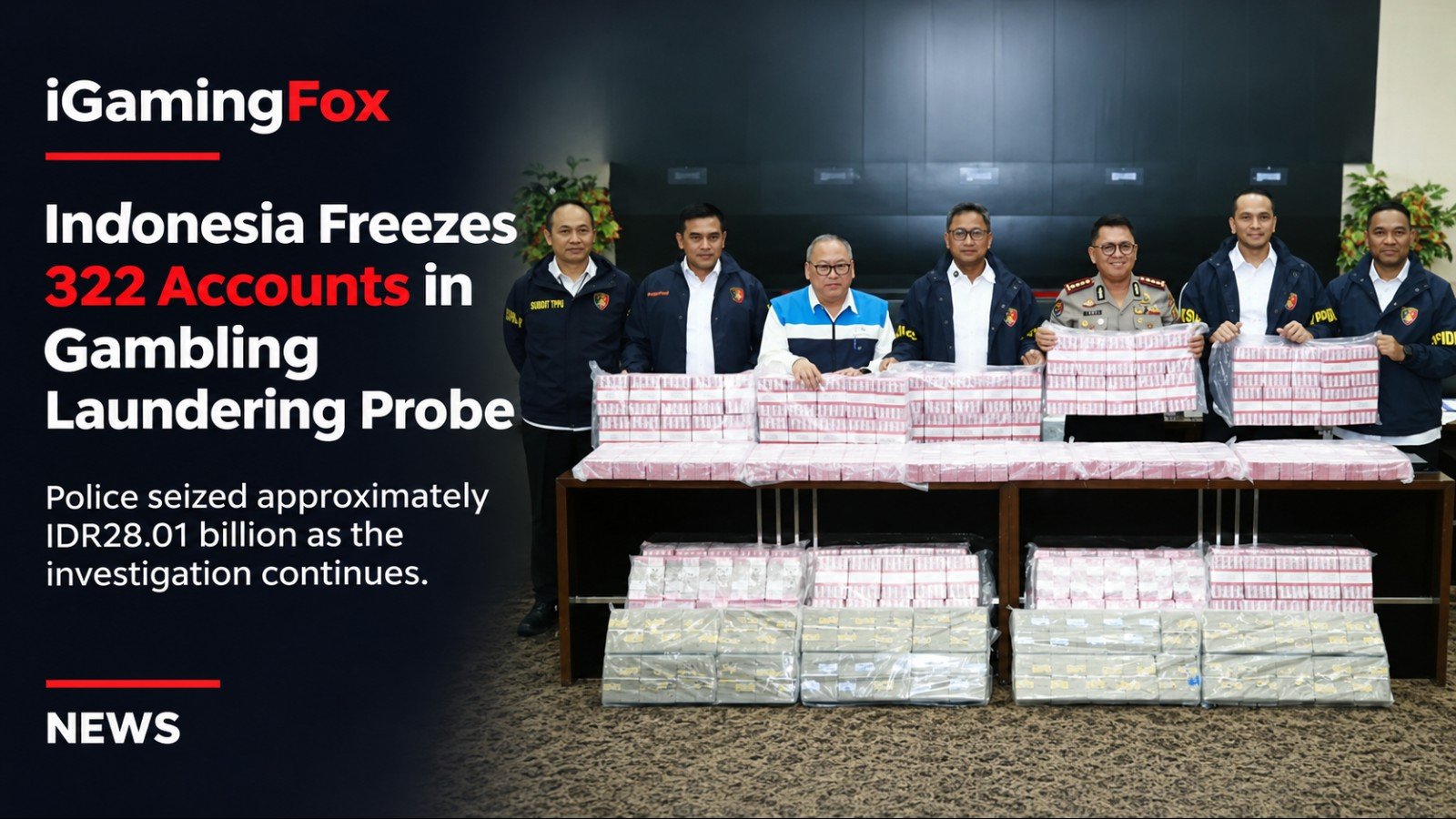
Police seized assets worth IDR28.01 billion while investigating an alleged gambling payment network using paid account holders, local payment services and overseas servers.
A Dutch affiliate standards organisation found searches for gambling outside the self-exclusion system dominate its sample, while unlicensed-offer promoters occupy prominent search positions.

The French operator is seeking urgent removal of Facebook and Instagram advertisements that allegedly misuse its brands to promote prohibited online casinos.


Breaking iGaming news, bonuses and event alerts — straight to your phone.
Join the channel
Comments (0)
No comments yet. Be the first!