
Brazil iGaming Demand Falls 20.1% After Betting Ban
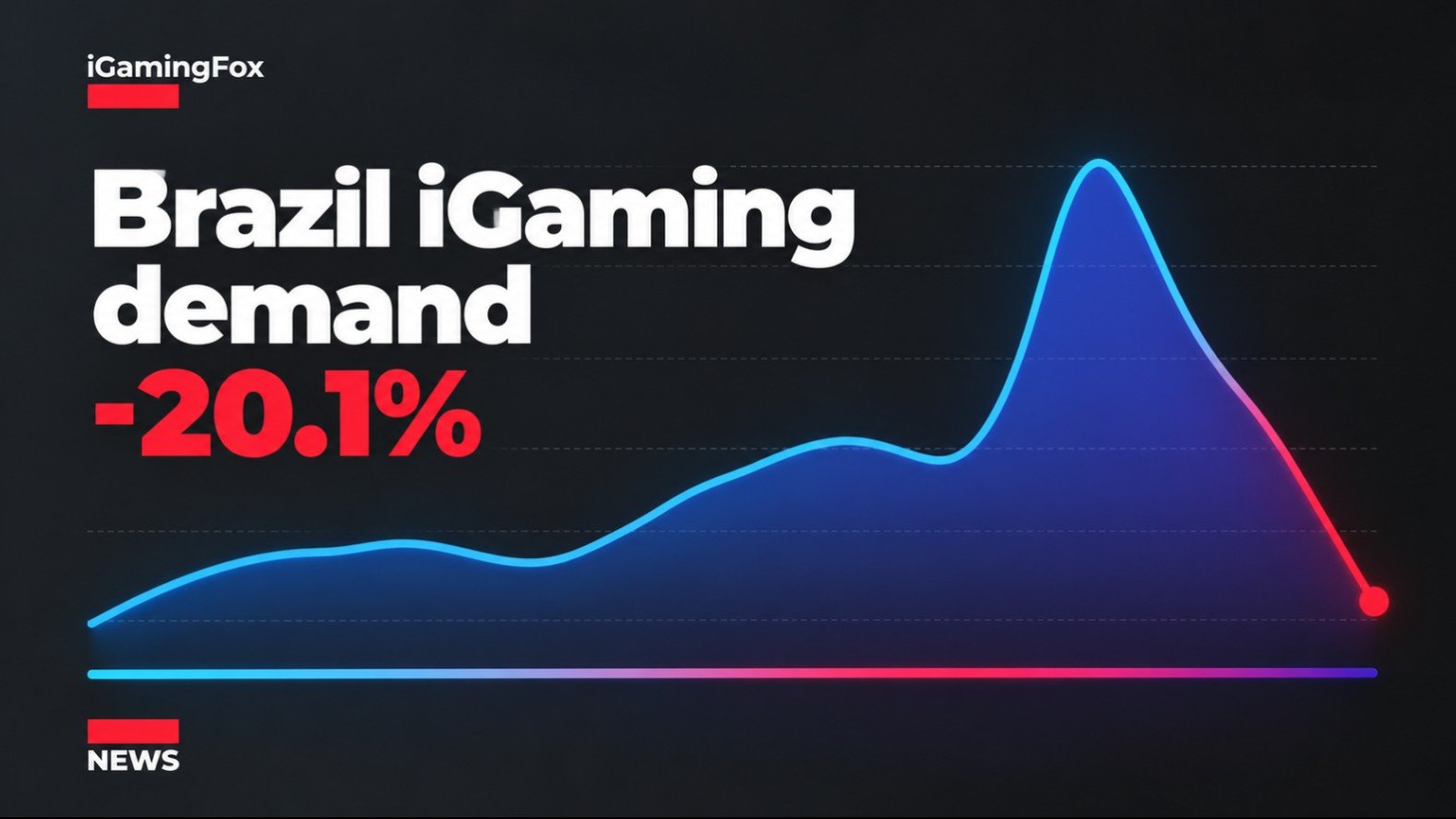
Blask recorded a sharp one-day surge in search demand after the prohibition was announced, followed by a 20.1% weekly decline as Brazil approaches its October 6 shutdown.
This website contains information about gambling and betting and is intended for adults only. You must be at least 18 (or the legal age in your country) to enter.
Gambling can be addictive. Please play responsibly.
IBJR and ABRAJOGO say Brazil's betting ban could accelerate migration to illegal operators and create billions in lost tax revenue and licensing-related liabilities.
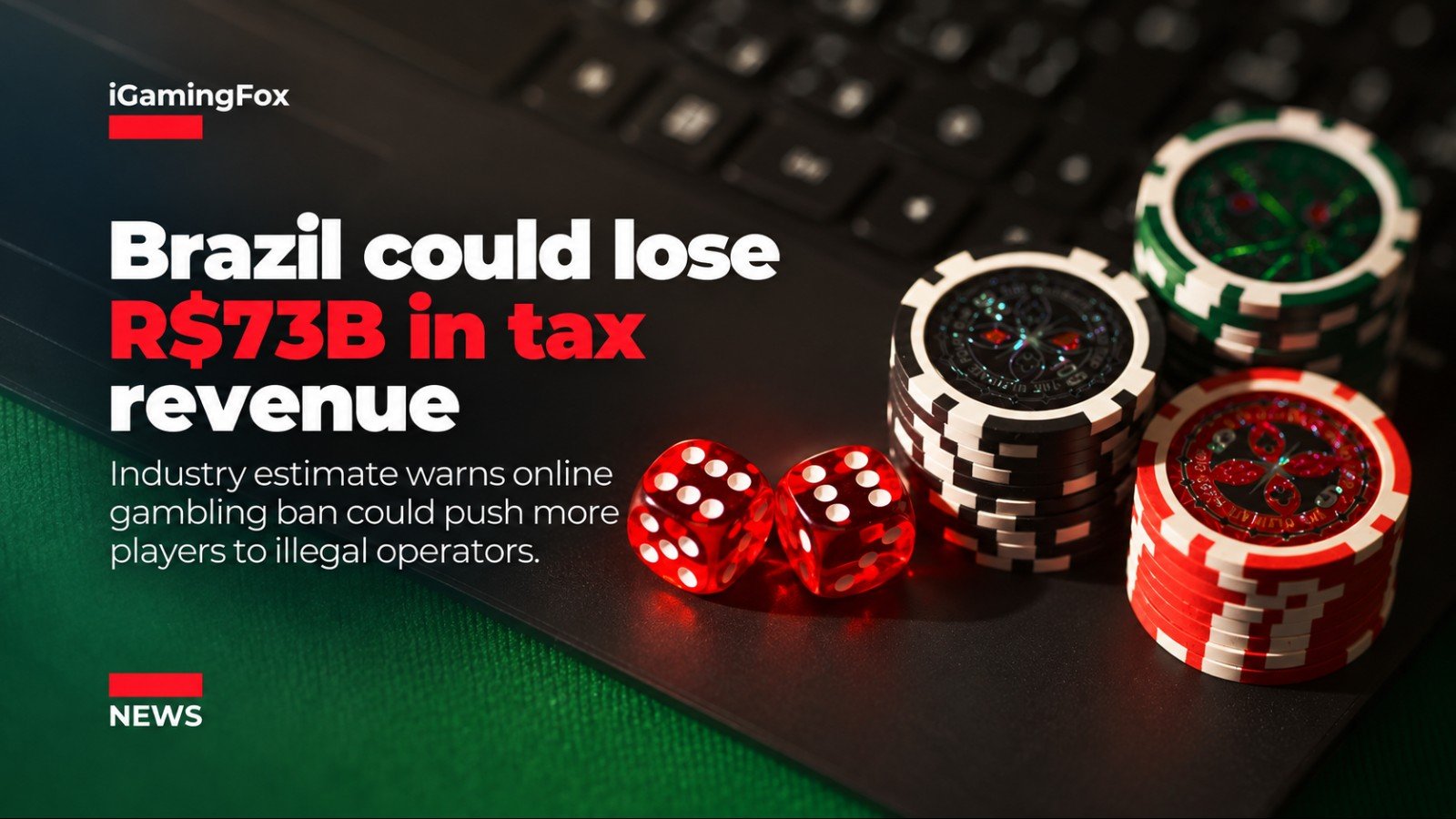
Brazil could lose between R$58 billion and R$73 billion in tax revenue between 2027 and 2030 if its online gambling ban pushes more betting activity into the illegal market, according to an industry estimate cited by the Brazilian Institute for Responsible Gaming.
The warning comes after President Luiz Inácio Lula da Silva signed Provisional Measure No. 1,394 on September 25, prohibiting the operation, offering, intermediation and advertising of fixed-odds betting, including sports betting and online casino games.
IBJR and the Brazilian Association of International Gaming Operators and Suppliers, ABRAJOGO, have both criticised the measure and called for tighter enforcement against illegal operators instead of shutting down the regulated market.
IBJR based its warning on research from LCA Consultoria using data from Instituto Locomotiva.
The research estimates that illegal platforms already account for between 38% and 44% of online betting activity in Brazil. According to the analysis, that share could increase further if customers who currently use licensed operators move to offshore platforms after the regulated market closes.
Depending on the scale of that migration, the study estimates cumulative tax revenue losses of between R$58 billion and R$73 billion from 2027 through 2030.
The figures are projections commissioned or cited by industry participants rather than official government forecasts. They depend on assumptions about future player behaviour, illegal market growth and the amount of demand that remains after the prohibition.
IBJR also argues that customers moving to unlicensed operators would lose protections required in the regulated market, including identity verification, transaction monitoring, self-exclusion and responsible gambling controls.
The associations have also raised concerns about investments already made by licensed operators.
Companies entering Brazil's regulated market spent money on licence fees, local staff, technology, compliance infrastructure, sponsorship agreements and other operating costs before the ban was introduced.
IBJR estimates potential government exposure linked to licensing payments alone at a minimum of R$2.55 billion.
That figure does not represent an amount Brazil has agreed to repay. The government's provisional measure does not automatically provide reimbursement for licences, while operators and industry groups are considering legal challenges over the abrupt change in the regulatory framework.
ABRAJOGO argues that the ban creates uncertainty for companies that made investment decisions based on the federal licensing system introduced before the current prohibition.
The association says the impact extends beyond betting operators to employees, technology suppliers, marketing partners, sponsors and other businesses connected to the regulated gambling sector.
ABRAJOGO intends to continue discussions with the government and Congress while also pursuing legal options to defend existing authorisations and investments.
Both associations favour maintaining a regulated market with stronger enforcement against unauthorised operators rather than a complete prohibition.
Their position contrasts with the government's decision to close the licensed sector, meaning the eventual economic impact will depend on whether the provisional measure survives congressional and judicial scrutiny and how effectively authorities can restrict illegal platforms.
Blask recorded a sharp one-day surge in search demand after the prohibition was announced, followed by a 20.1% weekly decline as Brazil approaches its October 6 shutdown.
IBJR and ABRAJOGO say Brazil's betting ban could accelerate migration to illegal operators and create billions in lost tax revenue and licensing-related liabilities.
The suspension affects eight casino brands operating under licence MGA/B2C/340/2016, while the operator remains responsible for outstanding obligations to players and partners.
HardScope will debut on September 30 with four creator-led series backed by more than $4 million in production and development investment.


Breaking iGaming news, bonuses and event alerts — straight to your phone.
Join the channel
Comments (0)
No comments yet. Be the first!