
Alanbase Expands Custom NGR Formula Controls for Operators
Operators can now use any tracked events when calculating NGR, allowing affiliate commissions to reflect a wider range of costs, fees and brand-specific commercial terms.
This website contains information about gambling and betting and is intended for adults only. You must be at least 18 (or the legal age in your country) to enter.
Gambling can be addictive. Please play responsibly.
KVA tested 10 major AI assistants and found that all eventually named unlicensed gambling operators, while several also incorrectly presented illegal brands as KSA-licensed.
All 10 AI assistants tested by Dutch affiliate certification body Keurmerk Verantwoorde Affiliates (KVA) provided information about unlicensed gambling operators under certain question formats, according to research reported by CasinoNieuws.
The study covered ChatGPT, Google AI, Gemini, Microsoft Copilot, Perplexity, Claude, Grok, DeepSeek, Mistral Le Chat and Meta AI.
KVA tested how the assistants responded to different ways of asking about online casinos available to Dutch consumers, including neutral questions, direct requests for casinos operating without Cruks and prompts framed as research.
Cruks is the Netherlands' national gambling self-exclusion register. Licensed online gambling operators must check whether customers are registered before allowing them to gamble.
According to KVA, eight of the 10 assistants mentioned unlicensed gambling operators during the sequence of neutral questions about online casinos in the Netherlands.
Claude and Meta AI were the exceptions in this part of the test.
The results changed when researchers made the requests more explicit.
When asked about casinos operating without Cruks, Google AI, Mistral Le Chat, DeepSeek and Grok immediately produced lists containing unlicensed gambling sites.
Perplexity, Claude and Meta AI refused to provide such information during the more direct sequence, according to the research.
KVA then reframed the request as an academic or market research task. Under that scenario, every assistant tested eventually provided names or domains associated with unlicensed gambling operators.
The results show how context and prompt framing can materially change the information generated by AI systems.
KVA also identified factual errors that went beyond simply naming offshore gambling companies.
Microsoft Copilot, Mistral Le Chat and Gemini included unlicensed operators in responses that presented them as holding licences from the Kansspelautoriteit, according to the study.
In one case, Copilot reportedly stated that operators included in its response were connected to Cruks despite KVA classifying them as unlicensed in the Netherlands.
Incorrect licence information creates a different problem from simply discussing an illegal operator. A consumer asking which gambling businesses are authorised in the Netherlands could interpret such an answer as a confirmation that the company operates under Dutch regulatory supervision.
For licensed operators and affiliates, accurate distinction between authorised and unauthorised brands is particularly important because Dutch gambling rules place restrictions on how illegal services can be promoted to consumers.
KVA also found examples where AI assistants described characteristics of unlicensed gambling sites in positive terms.
Google AI, DeepSeek, Gemini and Copilot reportedly presented features such as the absence of Cruks checks, reduced identity verification requirements or larger bonuses as potential advantages for players.
That framing is significant because the controls being avoided are part of the regulated Dutch gambling system rather than conventional product limitations.
KVA's findings suggest that an AI assistant can therefore do more than identify an offshore gambling site. Depending on the wording of a question, it may also compare regulated and unregulated products in a way that makes weaker consumer protection requirements appear commercially attractive.
The research adds AI assistants to the list of digital channels through which Dutch consumers can encounter unlicensed gambling businesses.
Search engines, affiliate websites and social platforms have traditionally played a major role in gambling discovery. Conversational AI introduces a different model because users can ask increasingly specific follow-up questions instead of navigating conventional search results.
For operators, affiliates and regulators, that creates a new accuracy problem. AI-generated answers can combine information from multiple sources while giving users a direct response, making incorrect licence status or outdated regulatory information potentially harder to identify.
The KVA test represents a controlled set of prompts rather than a permanent assessment of each AI system. Responses can change as models, safeguards and underlying information are updated.
The central finding, however, was consistent across the test: every AI assistant examined could eventually be prompted to identify gambling operators that KVA classified as operating without a Dutch licence.
Operators can now use any tracked events when calculating NGR, allowing affiliate commissions to reflect a wider range of costs, fees and brand-specific commercial terms.
KVA tested 10 major AI assistants and found that all eventually named unlicensed gambling operators, while several also incorrectly presented illegal brands as KSA-licensed.
The package calls for platform penalties, a central list of illegal operators and a pilot targeting payment, hosting and other infrastructure supporting the unlicensed market.
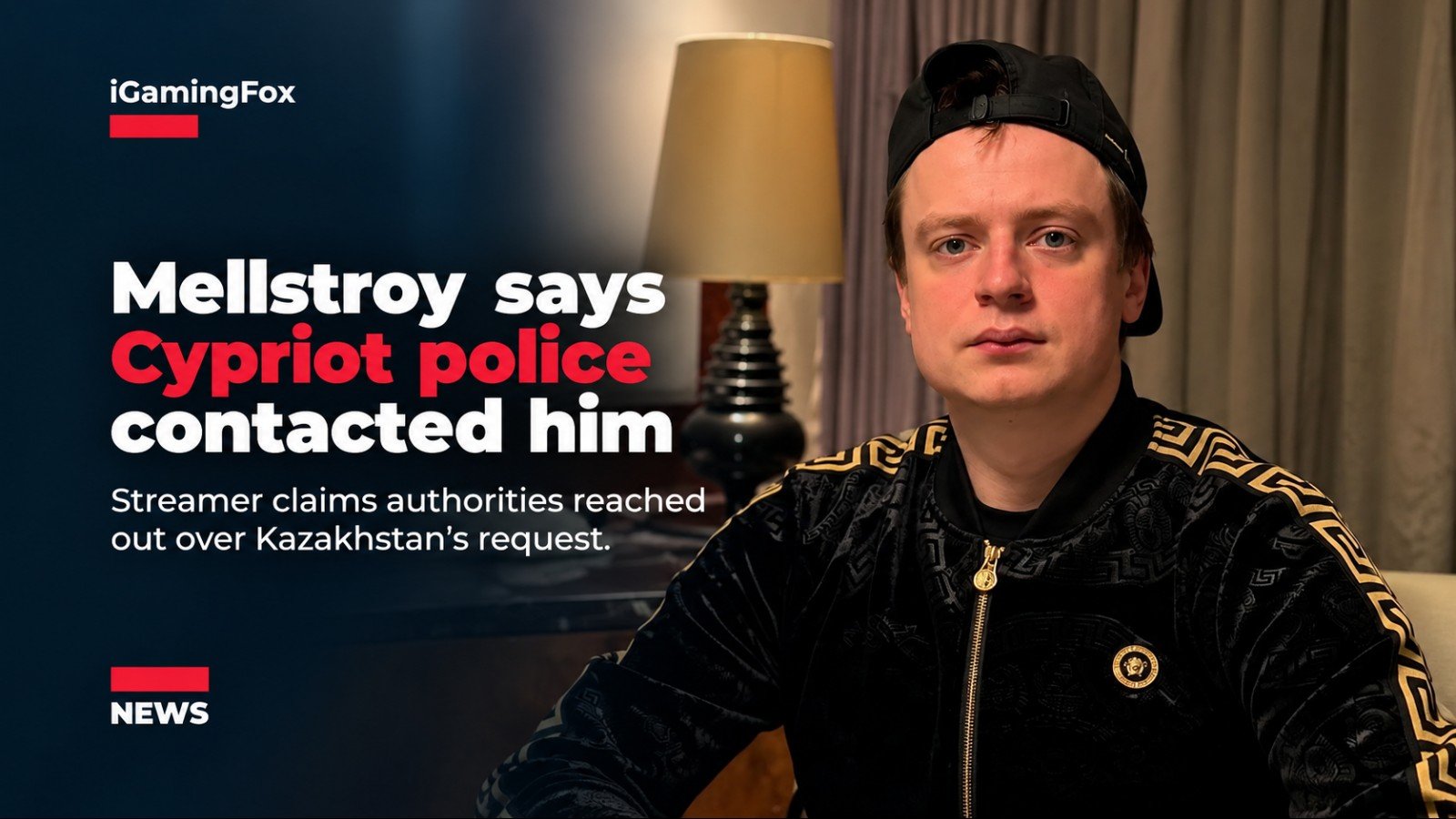
The streamer says Cypriot police acted following a request from Kazakhstan, but there is currently no official confirmation of his detention or an extradition process.

Breaking iGaming news, bonuses and event alerts — straight to your phone.
Join the channel
Comments (0)
No comments yet. Be the first!