
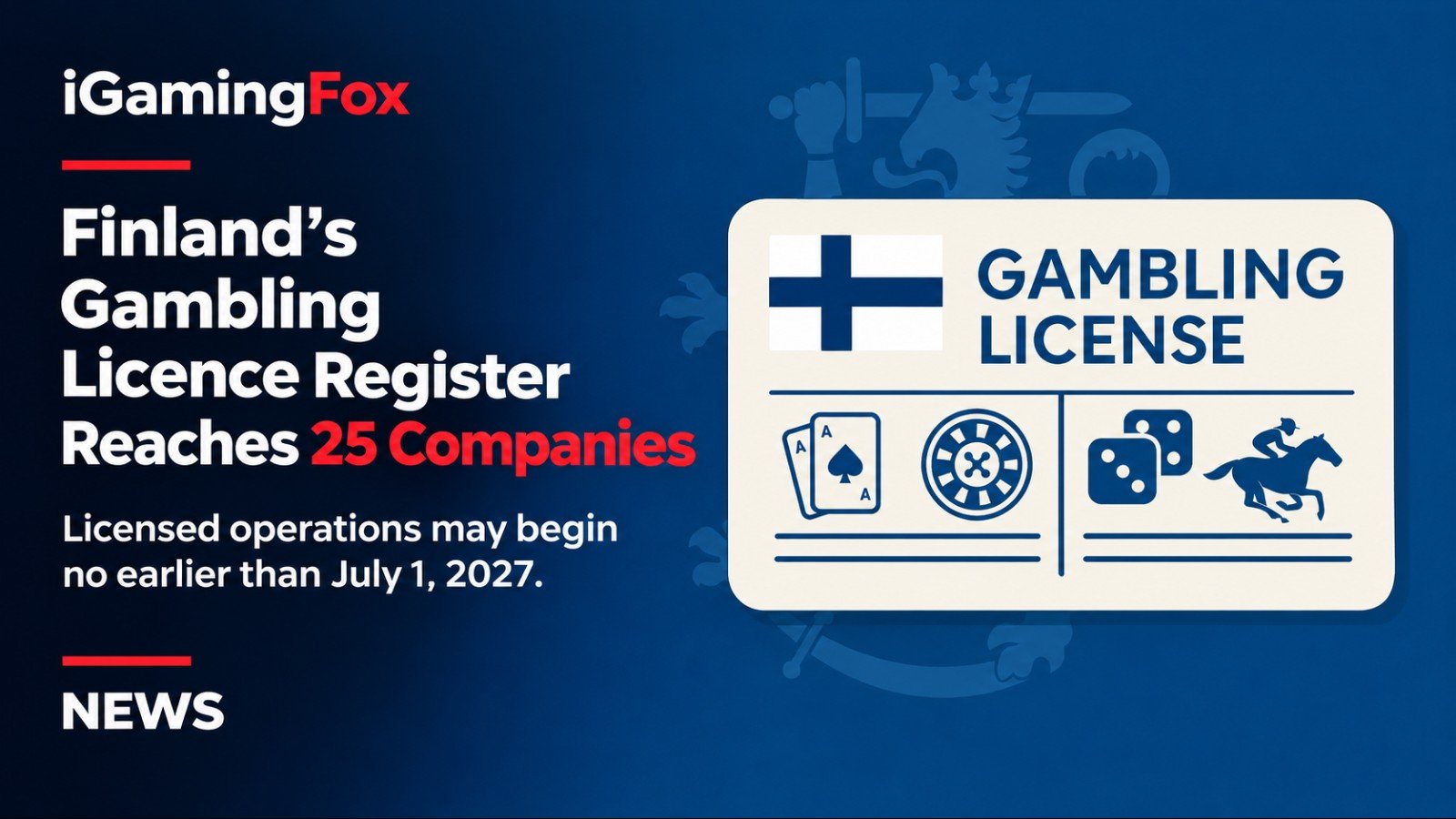
Finland’s Gambling Licence Register Expands to 25 Companies
The approved-company list has more than doubled since late October, with licences taking effect when Finland’s competitive gambling market opens in July 2027.
This website contains information about gambling and betting and is intended for adults only. You must be at least 18 (or the legal age in your country) to enter.
Gambling can be addictive. Please play responsibly.
The three shareholders collectively own more than half of SIS, which signed a revenue-share agreement in 2022 to provide betting content and data to offshore casino network Santeda.

Ladbrokes, William Hill and Betfred owner Fred Done received shareholder returns from Sports Information Services after the betting content supplier signed a commercial agreement with offshore casino network Santeda, according to an investigation by The Guardian based on the Casino Secrets leak.
The three collectively own more than 50% of SIS, a UK-based supplier of live racing, greyhound and esports content as well as betting data.
SIS signed the agreement with Santeda in 2022. Under the arrangement, the supplier received a percentage of revenue generated from losing bets placed through Santeda brands.
The investigation is notable because Ladbrokes, William Hill and Done have publicly warned about the growth of unlicensed gambling and argued that higher taxes or tighter regulation could push customers toward offshore operators.
However, industry sources cited by The Guardian said the shareholders were unaware of the Santeda agreement when it was signed.
SIS provides gambling operators with content required to offer and settle betting markets.
Under its agreement with Santeda, the company supplied live horse racing, greyhound racing and esports content, together with data used to calculate and settle wagers.
Santeda operates a network of offshore online casino and betting brands and has faced allegations that some of its websites targeted customers in markets where they did not hold the required local licences.
The commercial structure meant SIS could generate more revenue as betting activity increased on the Santeda sites using its products.
SIS has not disclosed how much revenue it earned specifically from the contract.
It has also declined to confirm whether the agreement remains active.
The Guardian reported that Ladbrokes, William Hill and Done were not believed to have known about the Santeda agreement when SIS entered into it.
Controls within the supplier reportedly restrict shareholders from accessing commercially sensitive information relating to customers and competitors.
That distinction is important because the available information does not establish that the bookmakers personally approved the contract or participated in negotiations with Santeda.
Their financial connection instead comes through their ownership of SIS and shareholder distributions made by the supplier after the agreement was signed.
This also means dividends received from SIS cannot automatically be treated as revenue generated directly by Santeda. SIS works with multiple customers and has other sources of income.
The investigation nevertheless creates an uncomfortable overlap between the licensed UK gambling sector's warnings about offshore competition and the commercial activities of a supplier in which major industry companies hold substantial stakes.
Licensed gambling businesses in Britain have increasingly raised the unregulated market in debates over taxation and regulation.
Operators argue that widening the financial and compliance gap between licensed and offshore gambling can encourage some players to migrate toward websites without UK consumer protections or tax obligations.
The Santeda case highlights another dimension of that market.
Unlicensed operators still rely on a wider B2B ecosystem that can include data providers, streaming companies, payment businesses, affiliates and technology suppliers. Commercial relationships with those businesses can connect regulated companies indirectly to offshore gambling activity even where the regulated operator has no direct relationship with the consumer-facing brand.
SIS said its customers are required to offer its products only where they are legally permitted to do so and to maintain the necessary regulatory licences.
The supplier also said it can take corrective action, including suspension or termination, when customers fail to comply with those requirements.
The unanswered question is whether the Santeda contract remains in force and how much revenue SIS generated from it.
For the wider industry, the investigation adds pressure on regulated operators to examine not only their direct activities but also the customers and markets served by companies in which they hold significant ownership interests.
The approved-company list has more than doubled since late October, with licences taking effect when Finland’s competitive gambling market opens in July 2027.
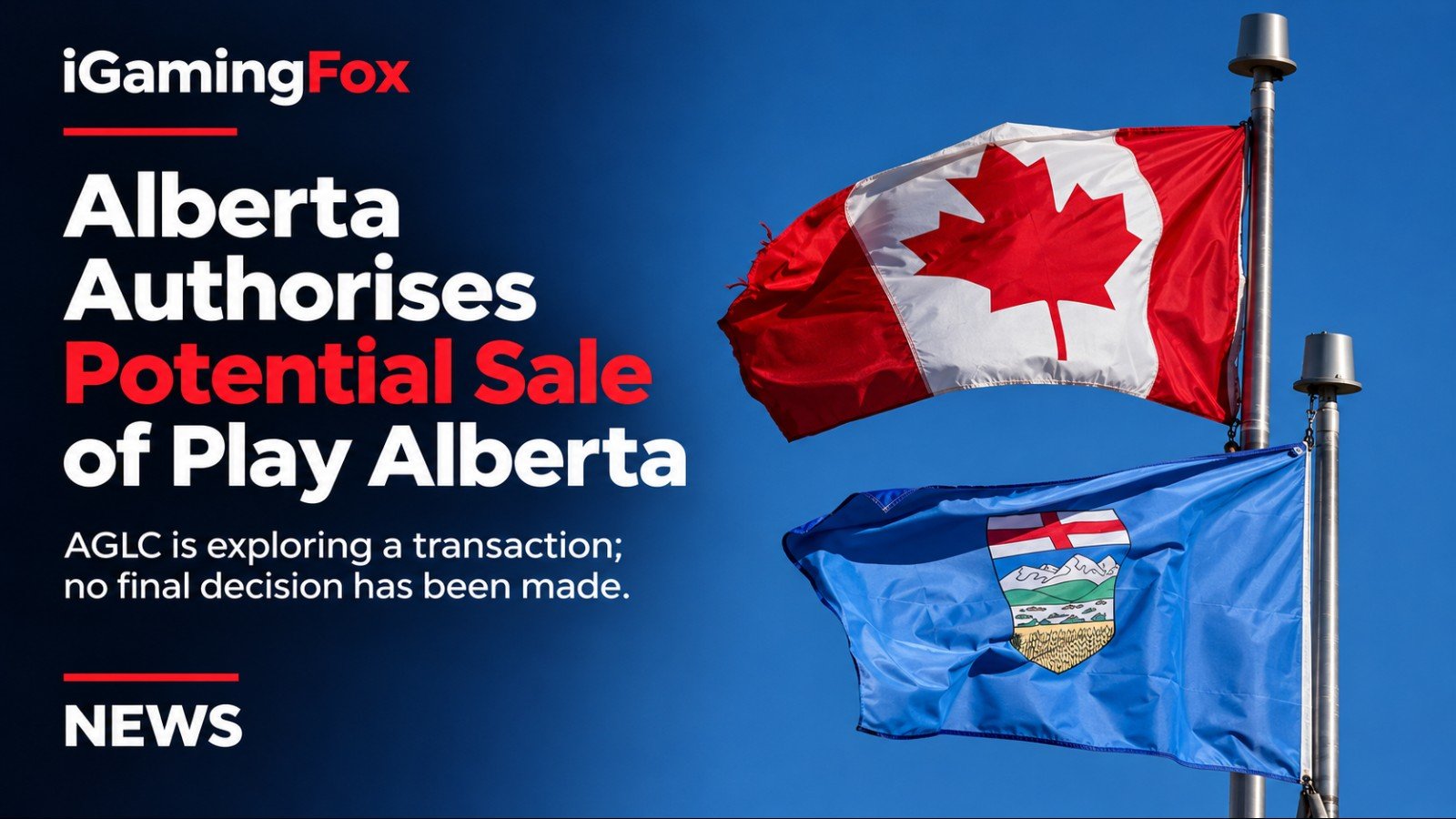
AGLC can negotiate a sale of its online gambling platform, subject to privacy conditions and a 90-day player opt-out period, but no transaction has been agreed.
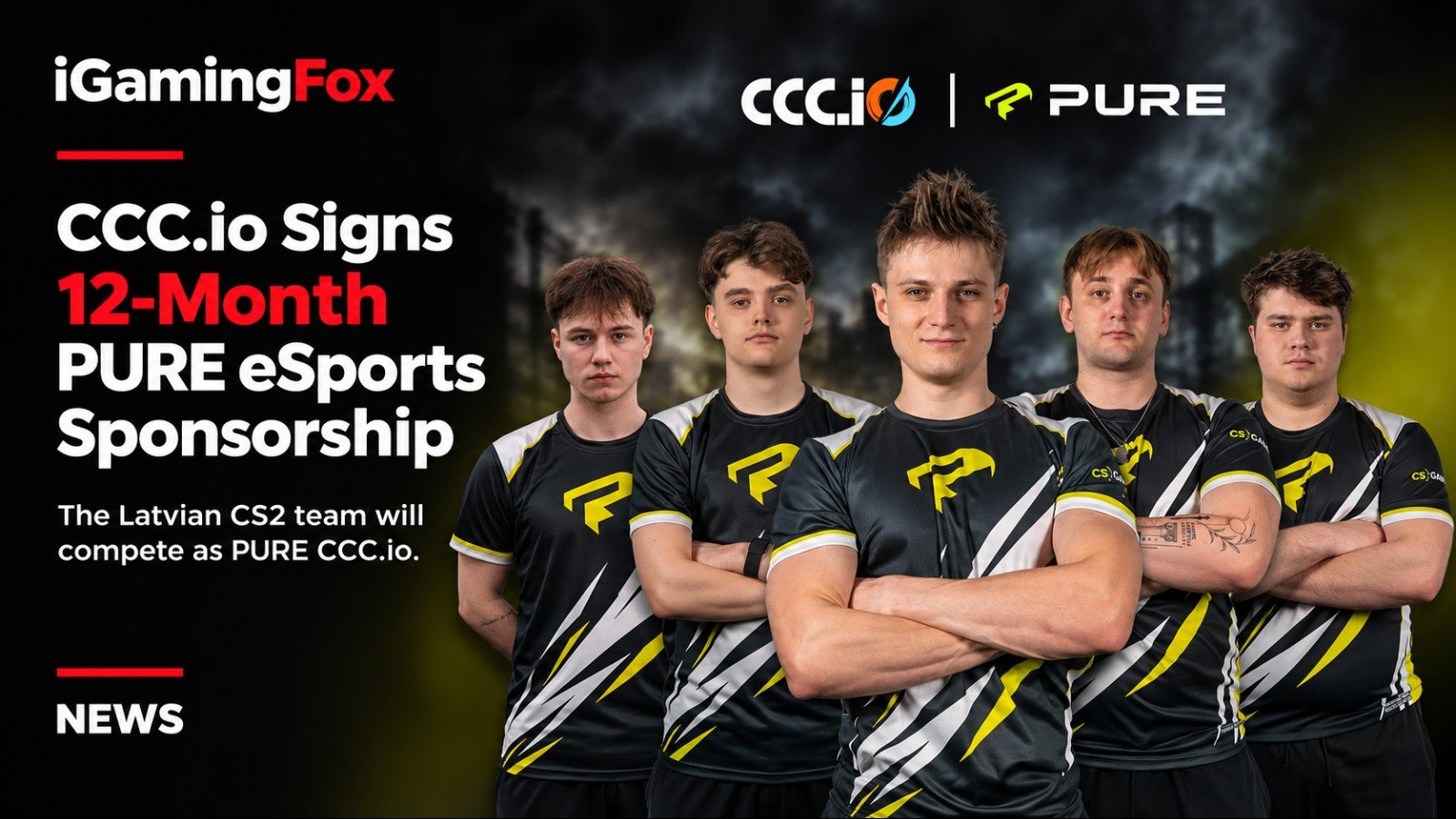
The Latvian Counter-Strike 2 team has adopted the name PURE CCC.io under an agreement making the operator its exclusive crypto casino partner.
Proceedings involving Blockdance BV and Small House BV have ended after the trustee reported empty estates, leaving no funds for creditor distributions.


Breaking iGaming news, bonuses and event alerts — straight to your phone.
Join the channel
Comments (0)
No comments yet. Be the first!